
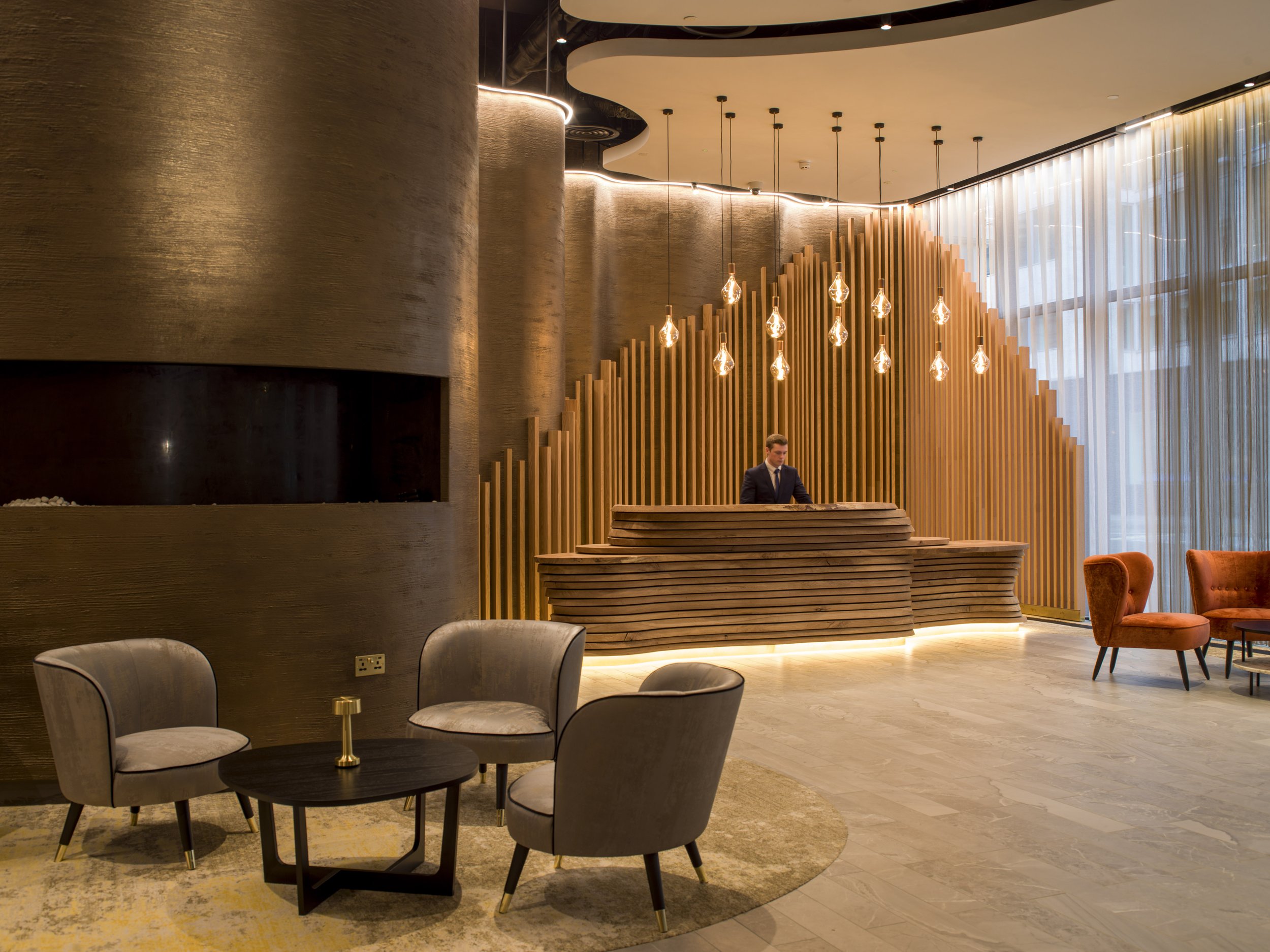
Middle Eight- Lobby
A hotel is more than just a place to stay it’s an experience shaped by its surroundings, its identity and the way a space makes people feel and penultimately choose to return to. Thoughtful design can influence how a property is perceived, how the guest experiences it and how it can thrive in an increasingly competitive market.
Over the last 25 years TONIK have learnt several key drivers that have become the fundamentals to any project in any sector that we take on. From start to finish we delve into the target audience, locational influence, local competition and the commercial brief to take an already existing brief and expand it to create our own project milestones that, as designers, we come back to throughout the project. For us it doesn’t matter what the project is the key drivers always stay the same.
As an interior architecture firm, we value intricate, thought-out design deeply. We let the identity of a project stand out via design. Kensington Hideaway beautifully demonstrates this as it has a profound personality, represented via its interior architecture.
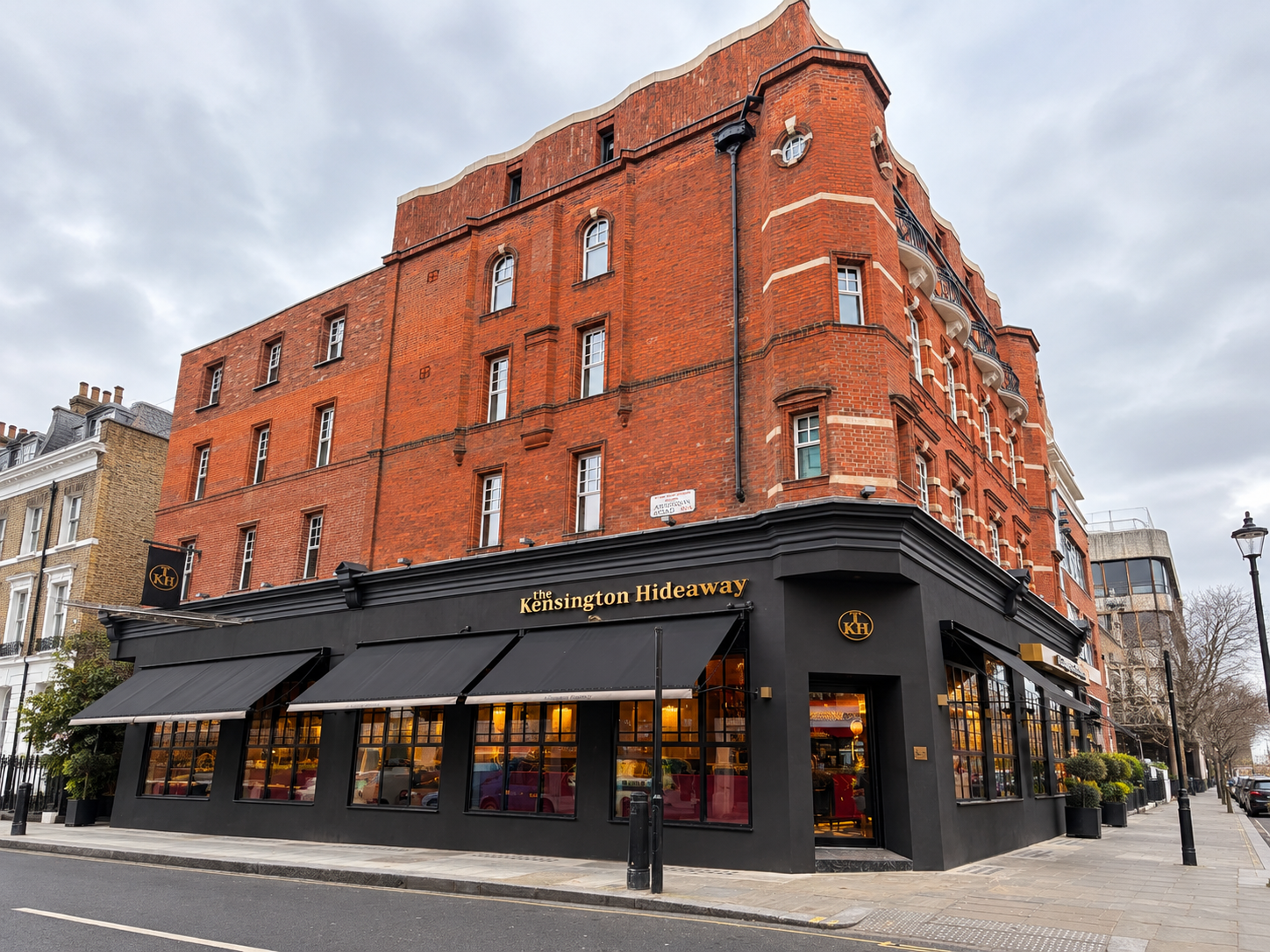
The Kensington Hideaway
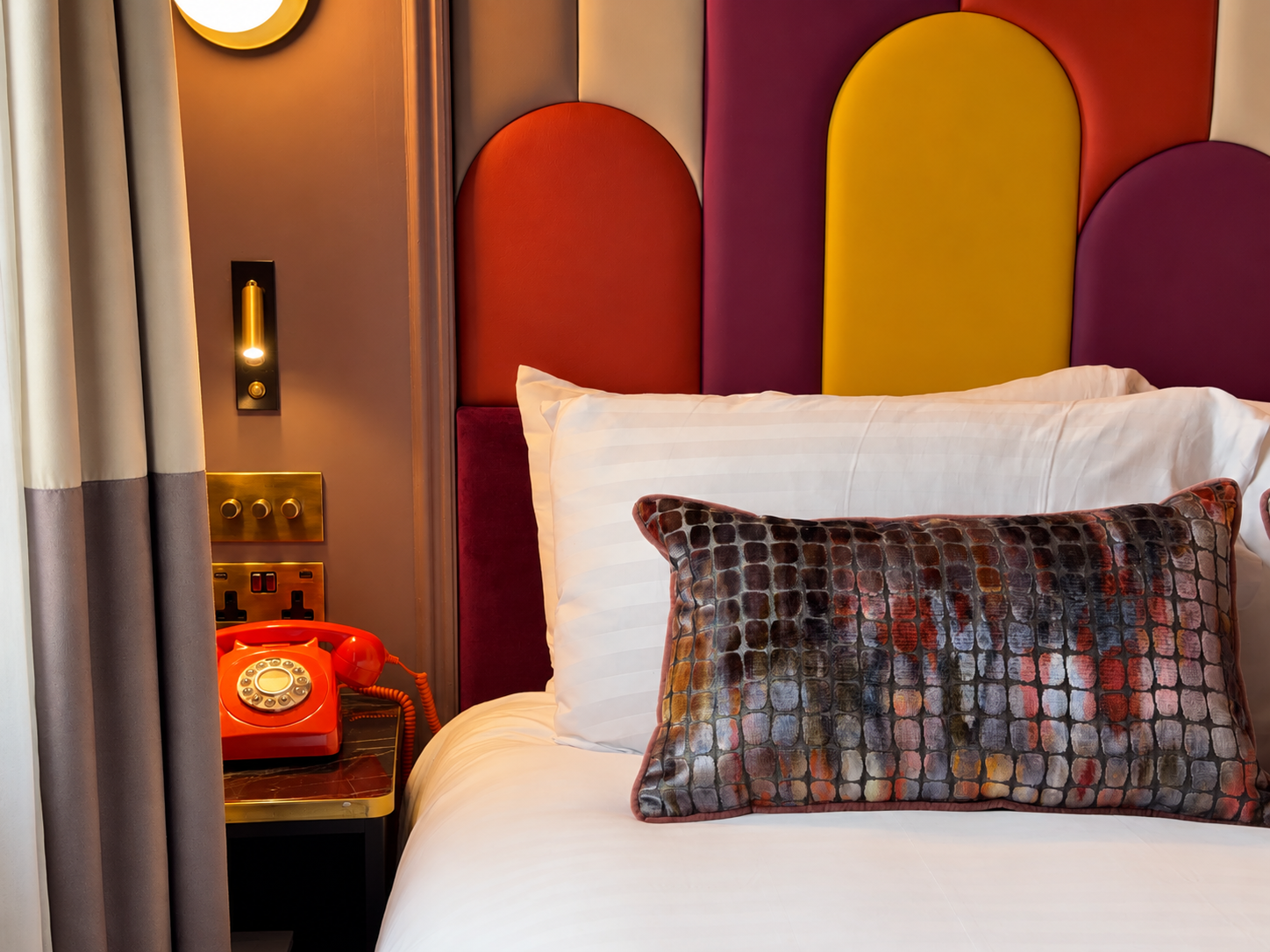
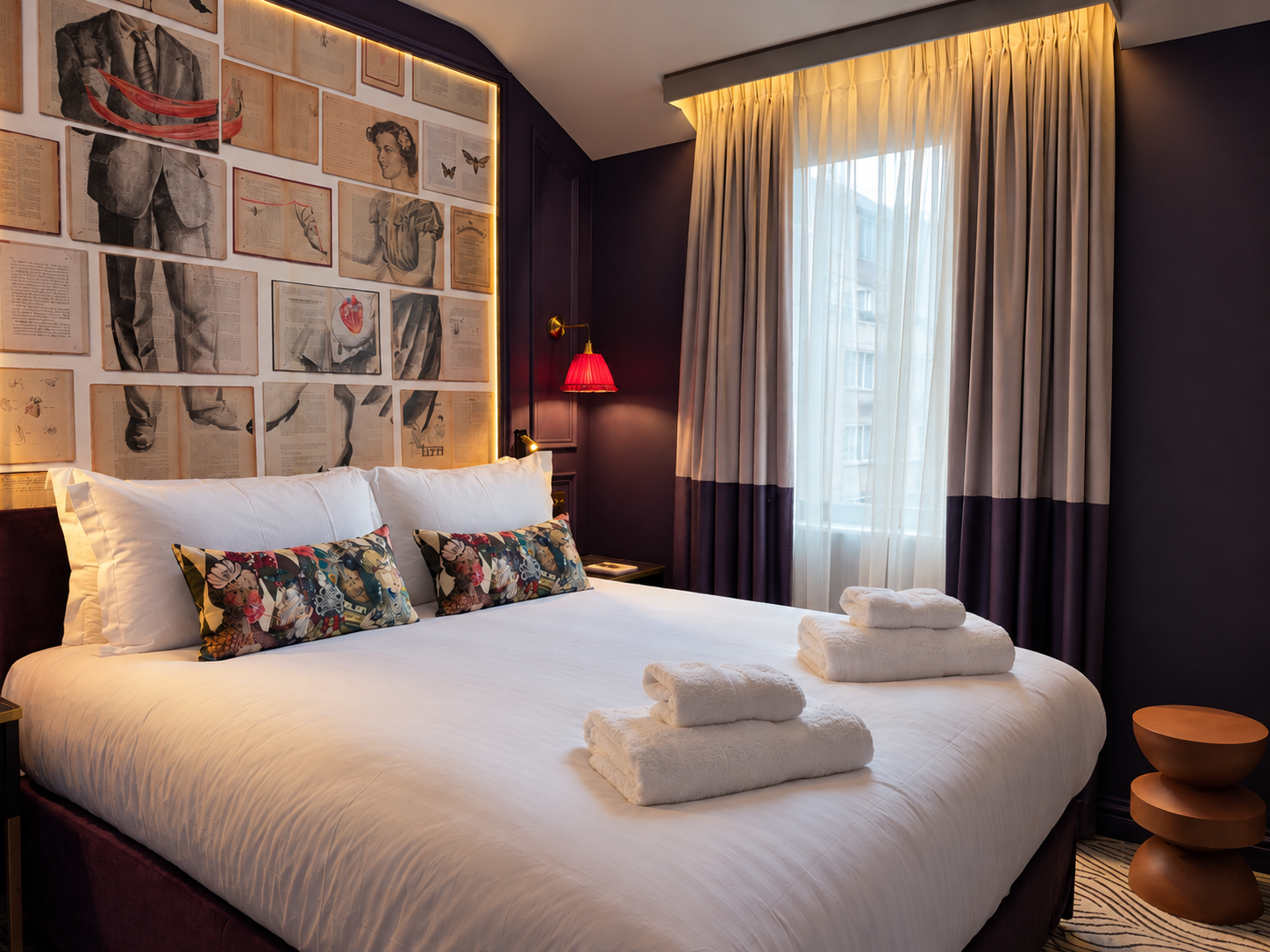
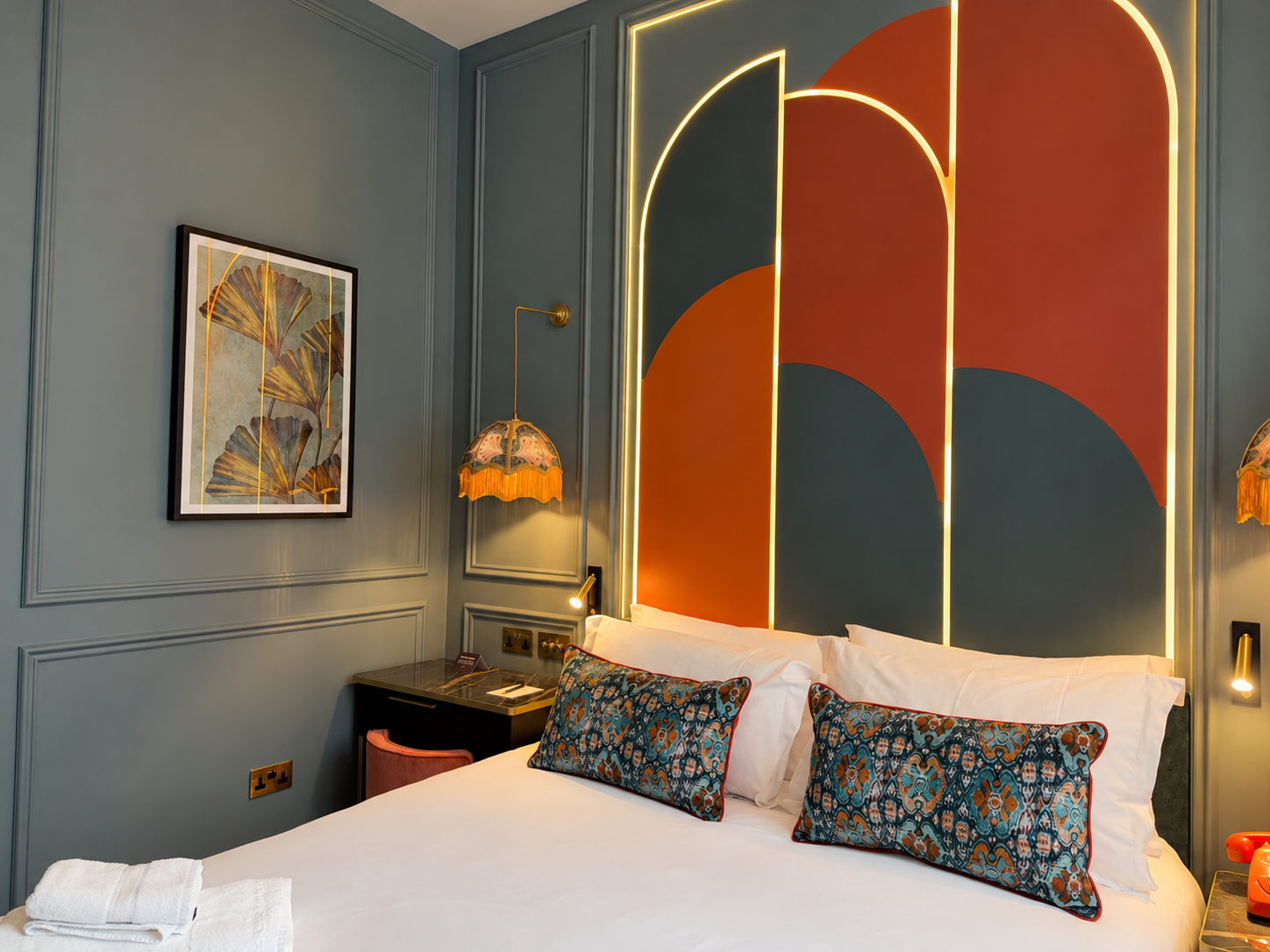
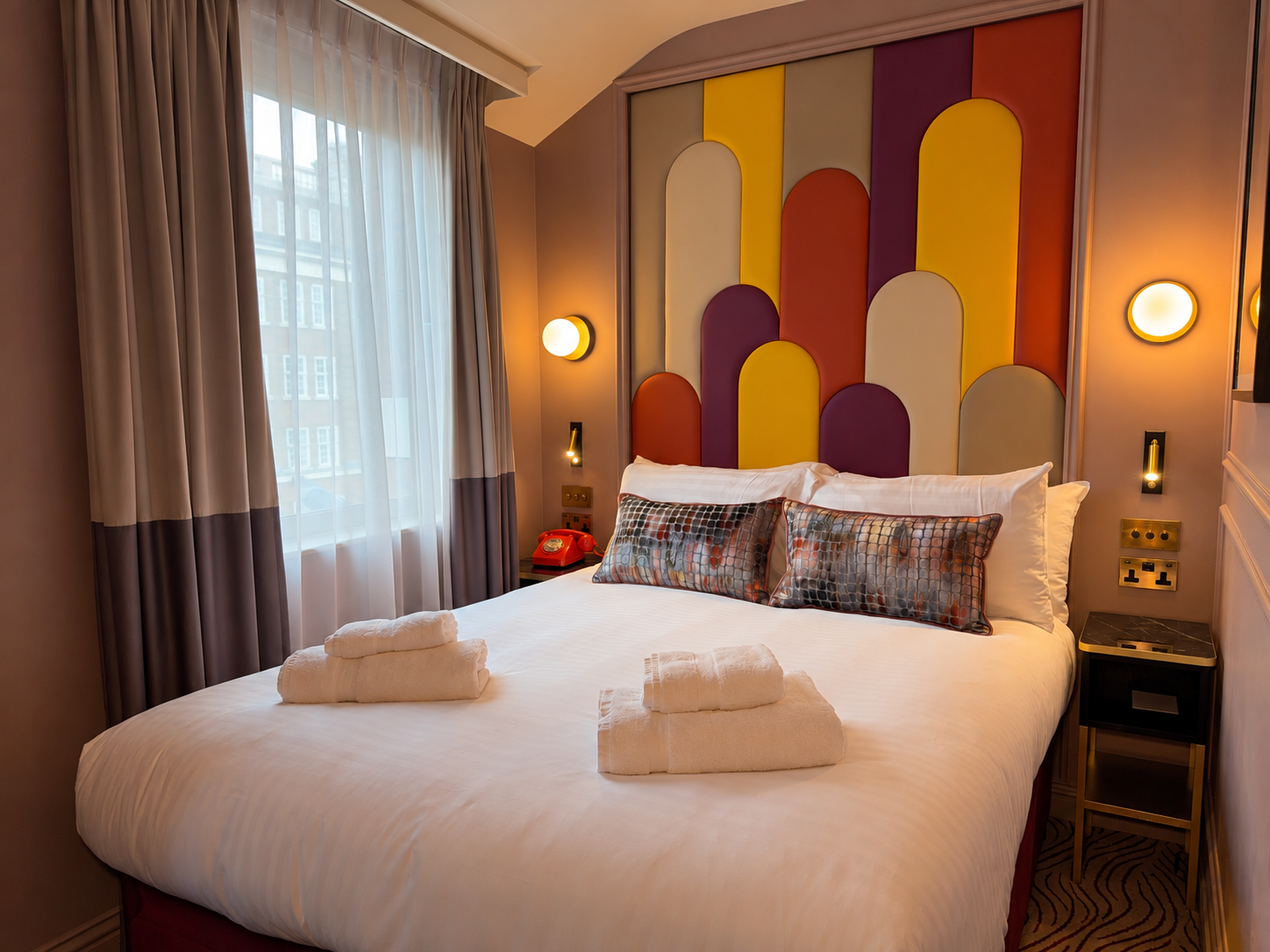
The story behind this hotel is rooted in its history of its location which has been connected to poets and creatives including William Makepeace Thackeray, Agatha Christie, T.S Eliot and P.L Travers. In the brief, the client stated they wanted these roots to shine through, but at an upscale level. Essentially, we were transforming the 3-star hotel into a characterful and intimate 4- star destination that invited guests to create their own chapter during their stay, much like the creatives of the past.
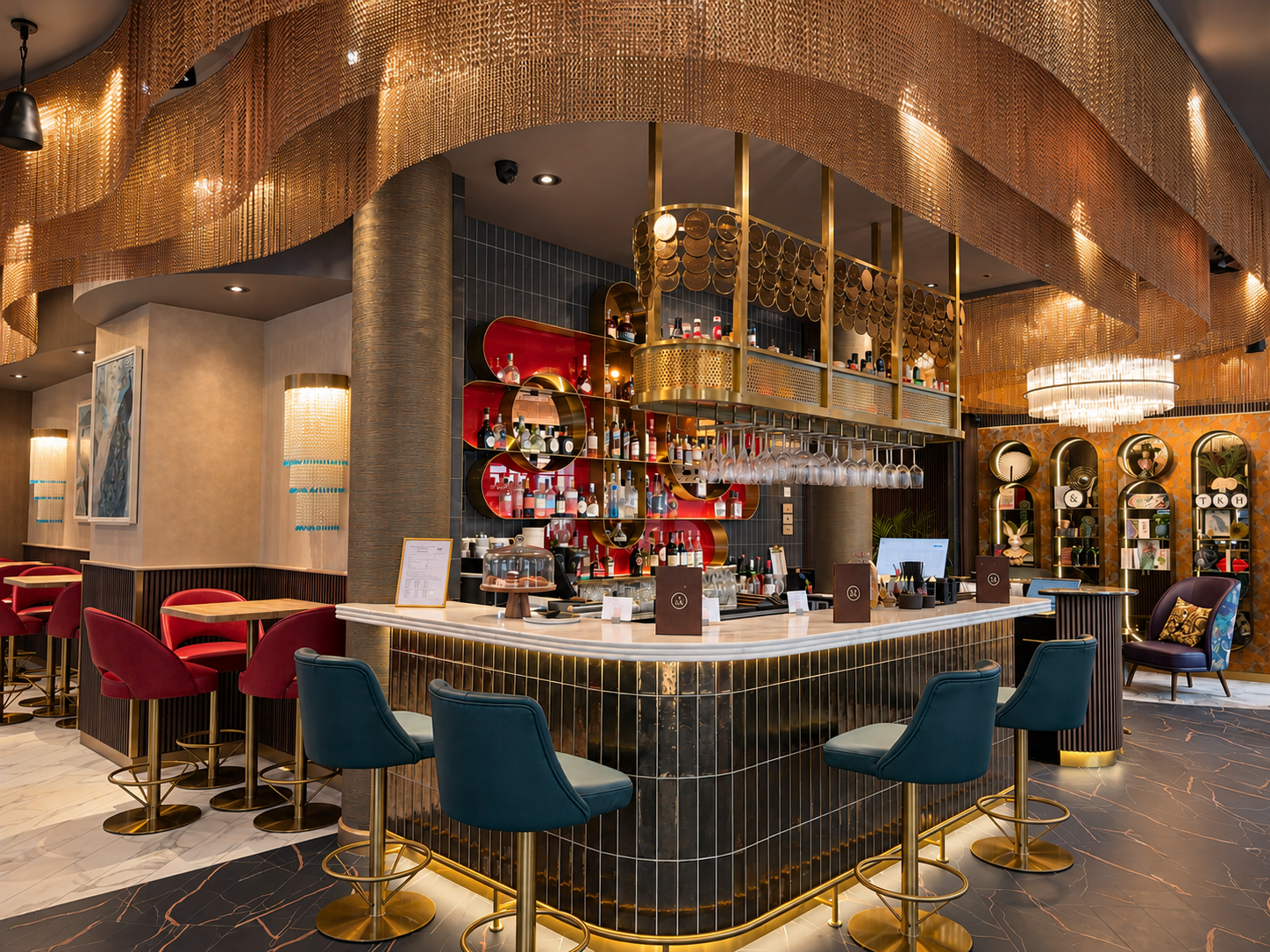
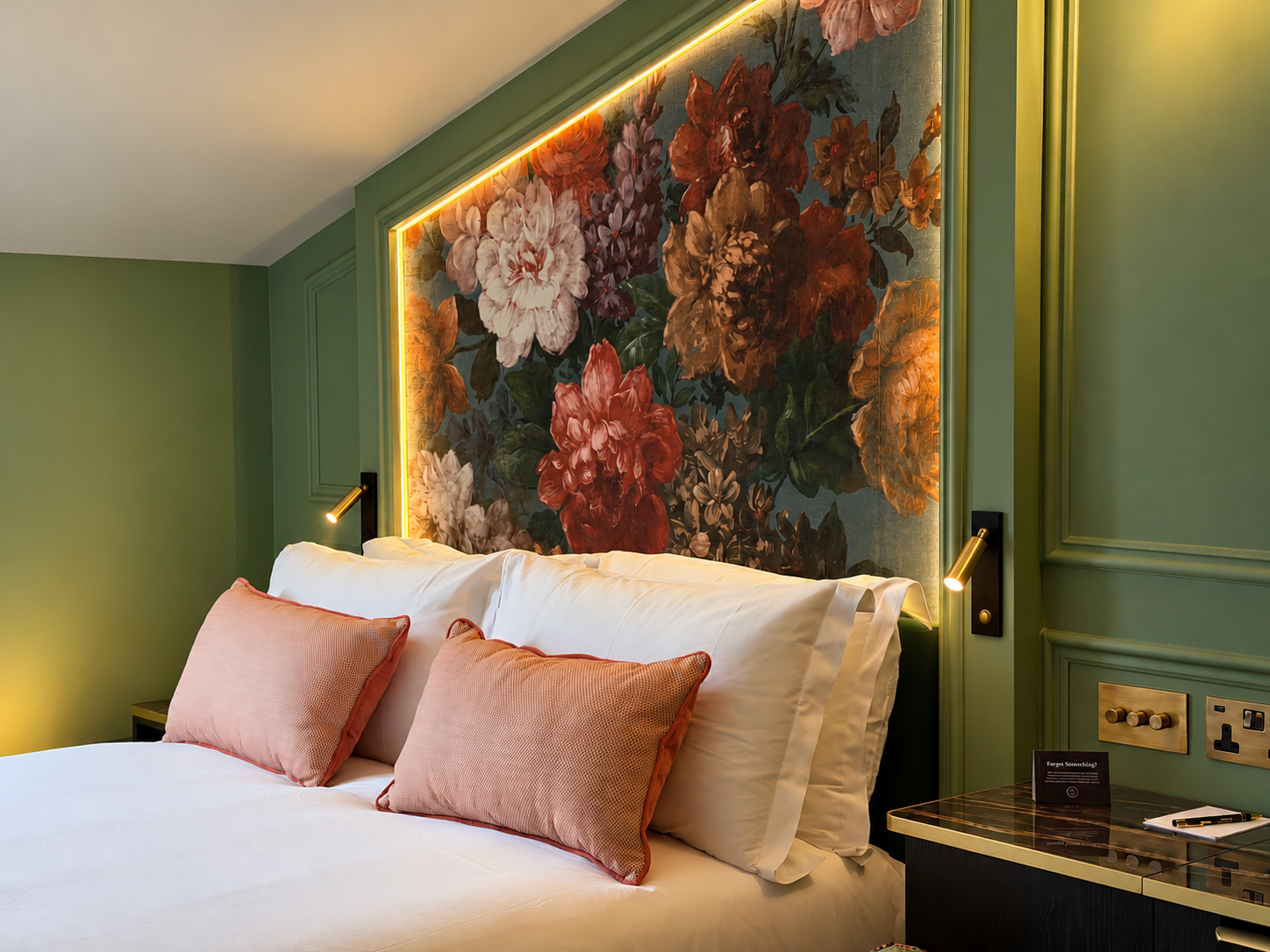
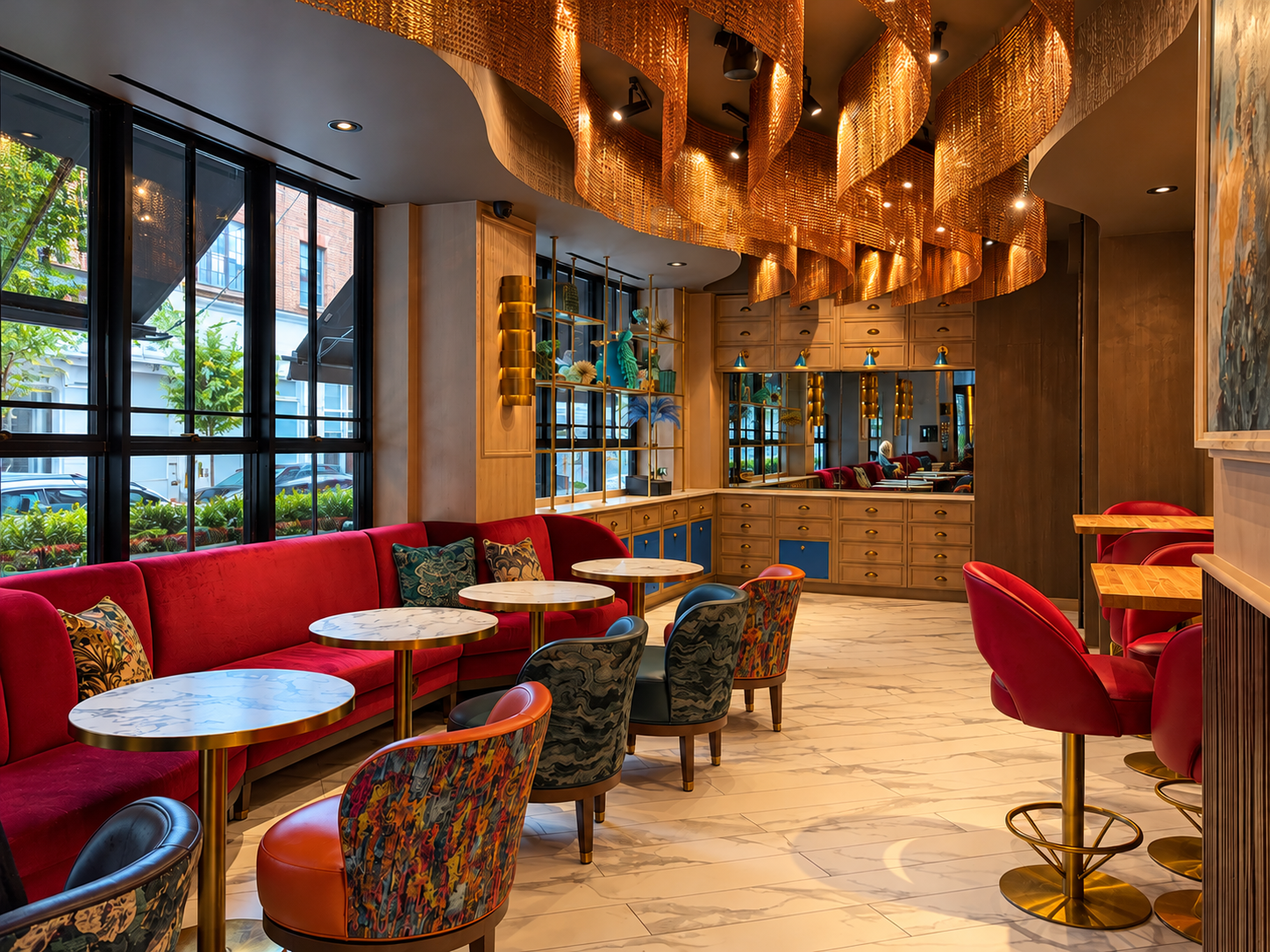
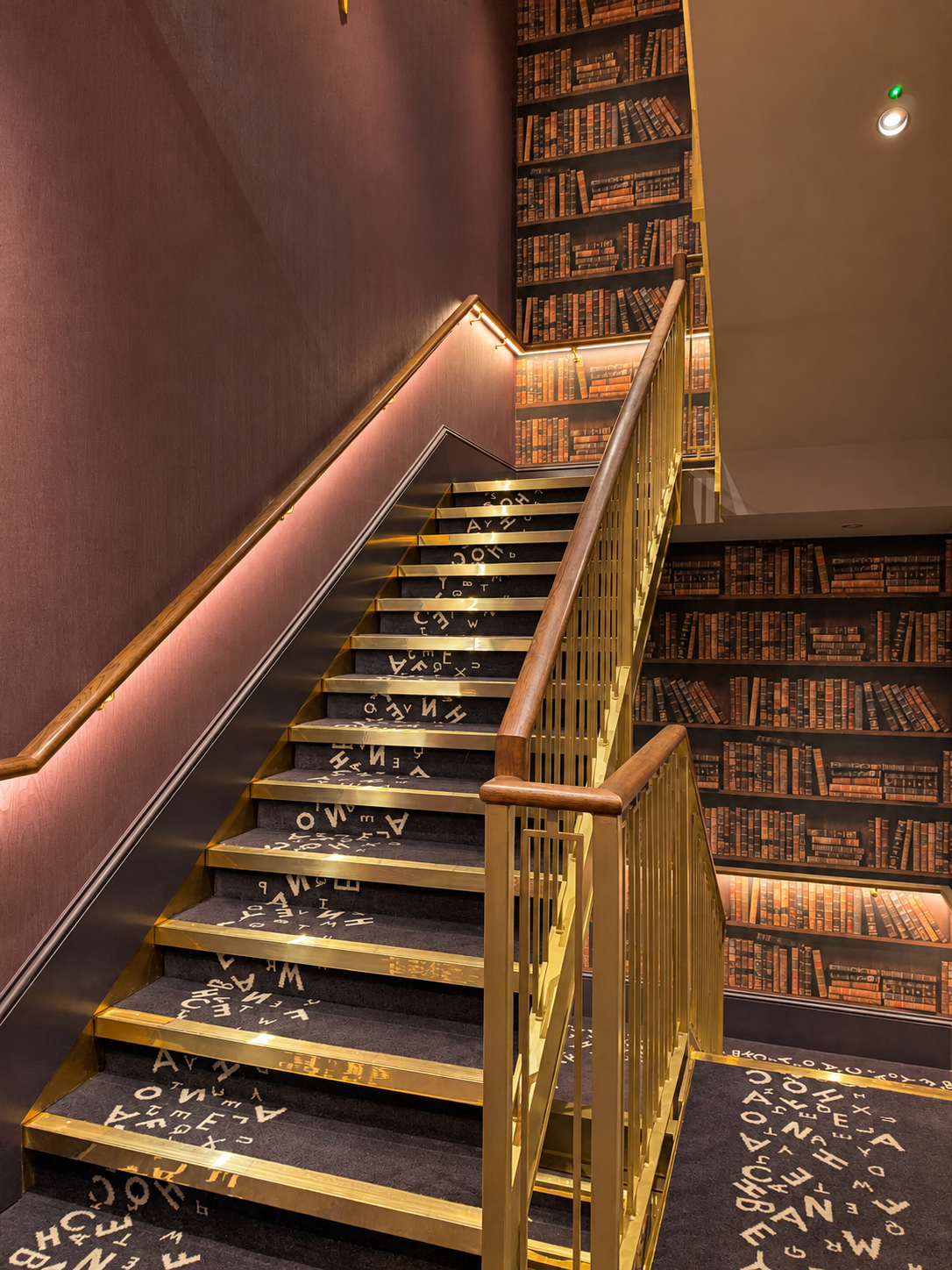
The ground floor was envisioned as the first chapter: connected to the street, flexible in use and a warm welcoming area. The 59 guest rooms were separated into four design schemes that each reflected notable literary figures. Literary references were sprinkled all around the hotel, from the typewriter-key-inspired signage of the toilets to the wood-like wall coverings alluding to the origins of writing and the feather bookshelves, motifs, upholstery and cushions that further reflected the bookish and historic feel of the hotel.
Forming such a coherent and on-theme project that is functional and commercially operational is a specialty at TONIK, evident at Kensington Hideaway. This project addresses the question of how design adds value to a hotel as one of the most important features of Hideaway is its story rooted in its location. With its story, its identity unfolds based on historic literary starts. Through TONIK’s design, Hideaway not only became globally award winning for its hotel bedroom design but it was able to visually portray its identity without a single word.
Throughout our portfolio, we work with a range of clients, all requiring different focuses, from hospitality-led hotel chains aiming to increase key numbers, to small boutiques with big personalities.
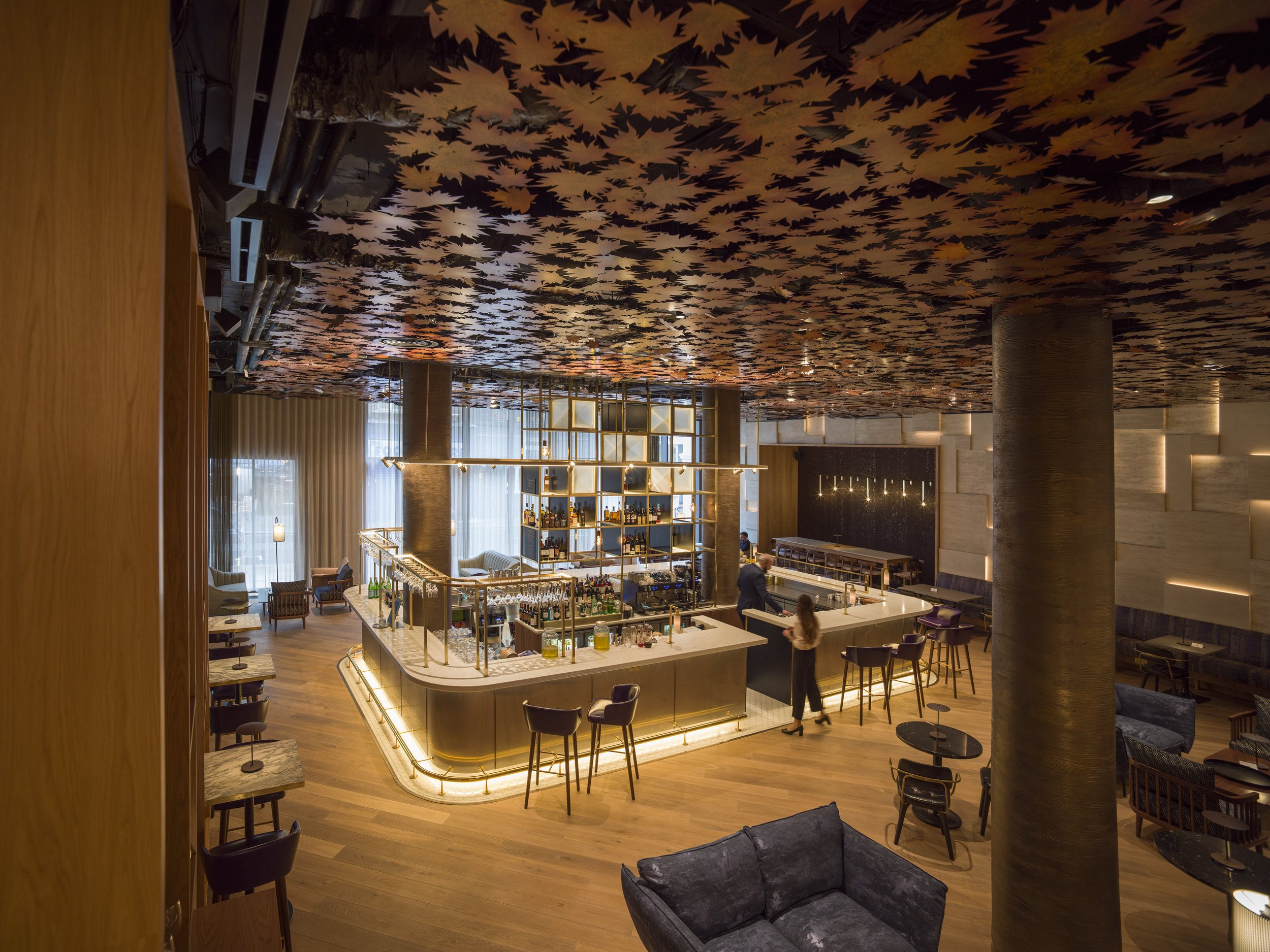
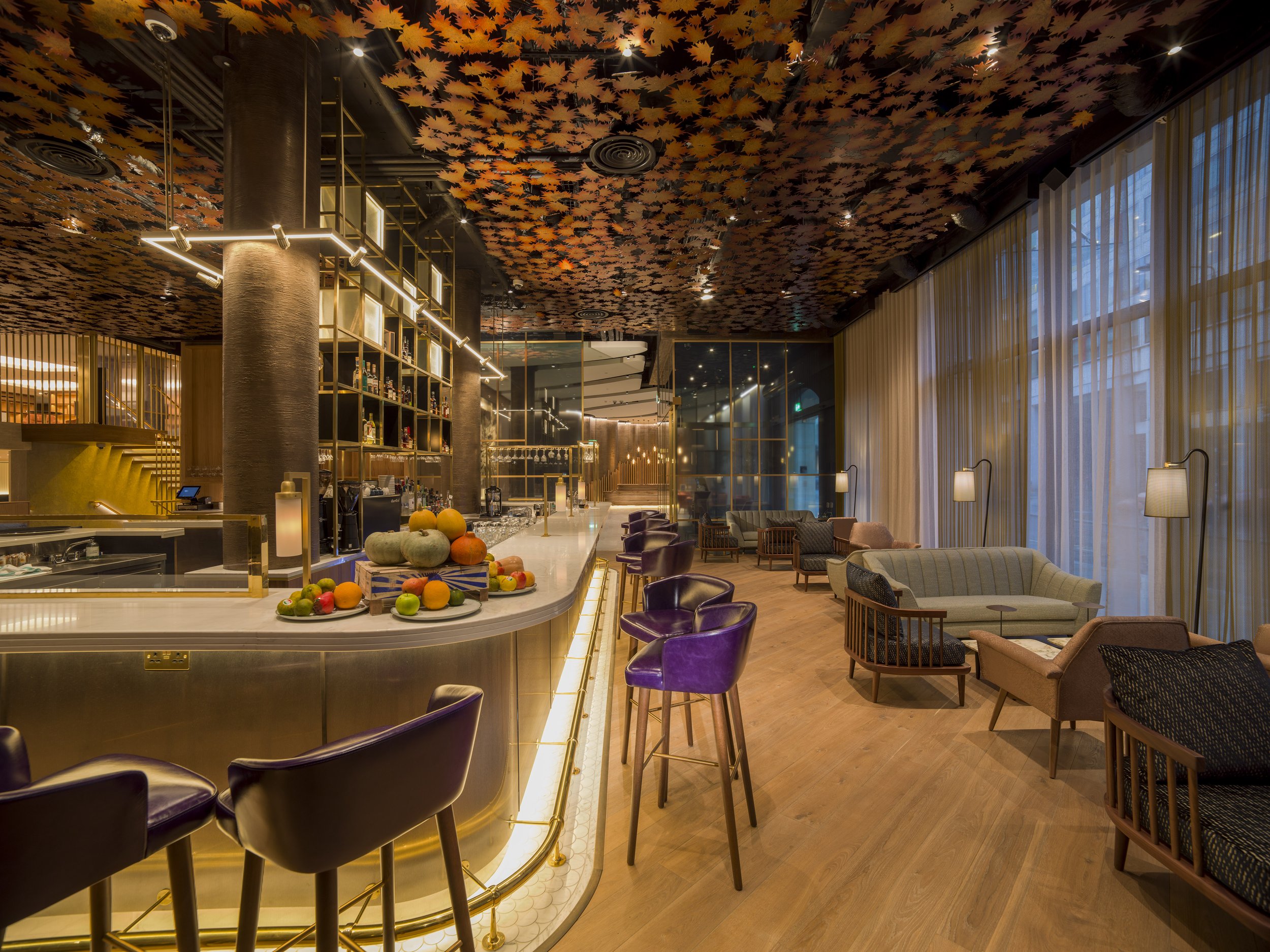
Middle Eight was an interesting project as it has a solid identity, based between Holborn and Covent Garden, but TONIK’s take on the design was to draw inspiration from the legal gardens close-by. Plant and grass features as well as the leaf-inspired ceiling detail above the restaurant reflected this inspiration.
Branding input also infused musical features into brand image, giving the reasoning for its name. These elements together create a unique visual stimuli underpinned by its historical and locational inspirations.
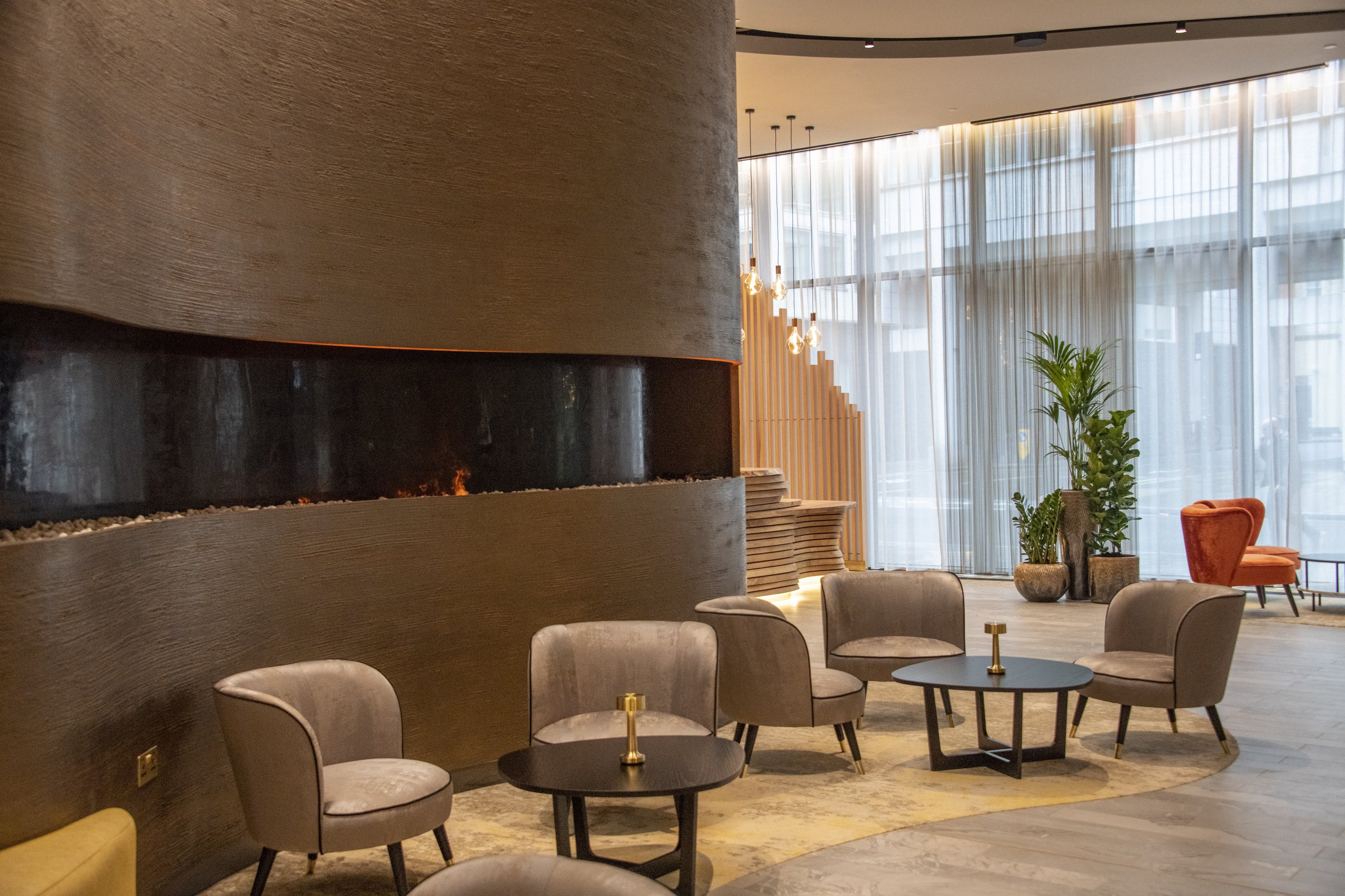
TONIK was introduced to reposition the hotel as a more sophisticated and design-led hotel, shifting away from the conference-forward and business focused hotel it was as Kingsway Hall Hotel. Our target audience were individuals looking for an inspired hotel in the heart of London, rather than businesspeople or group visitors.
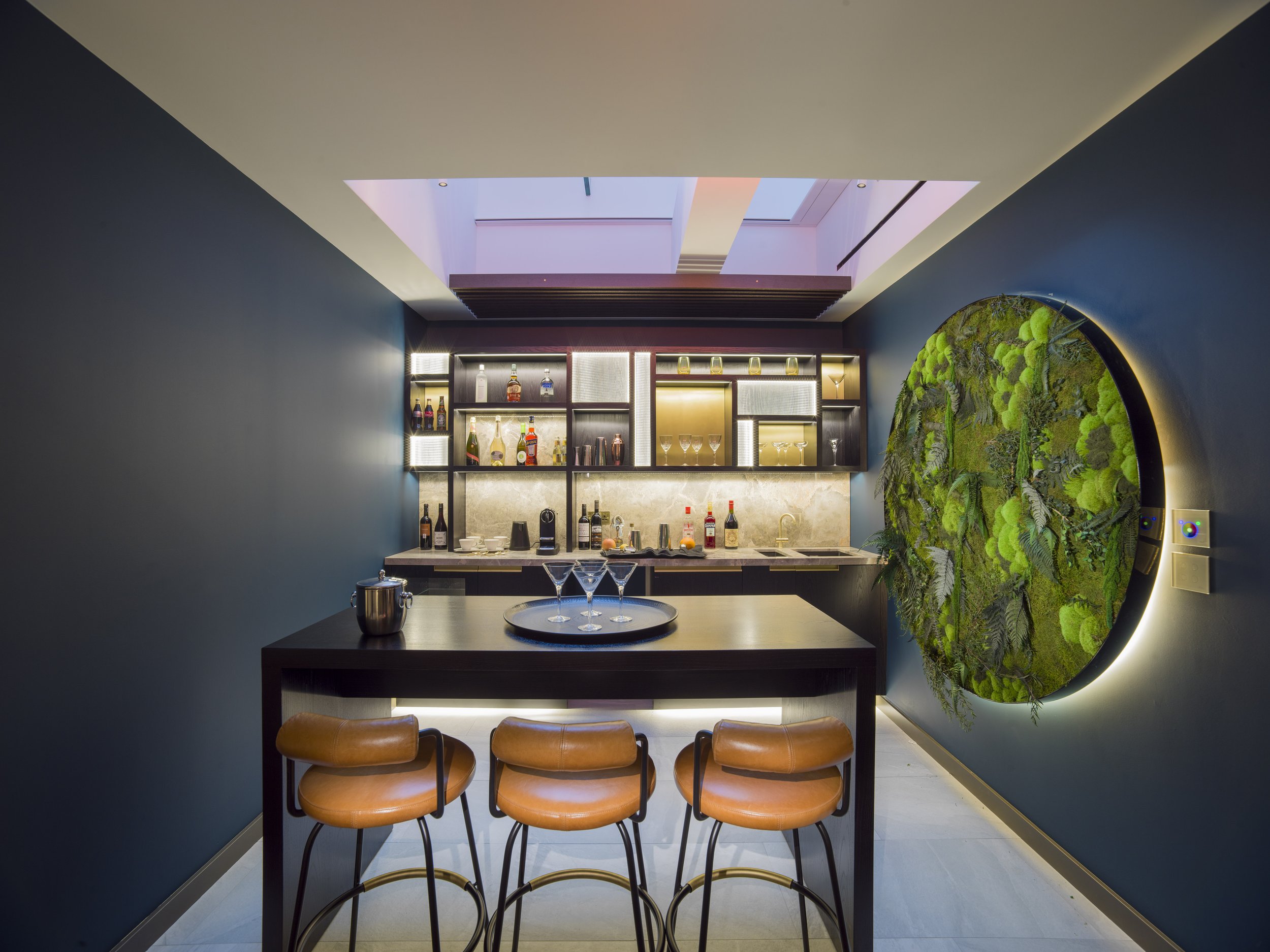
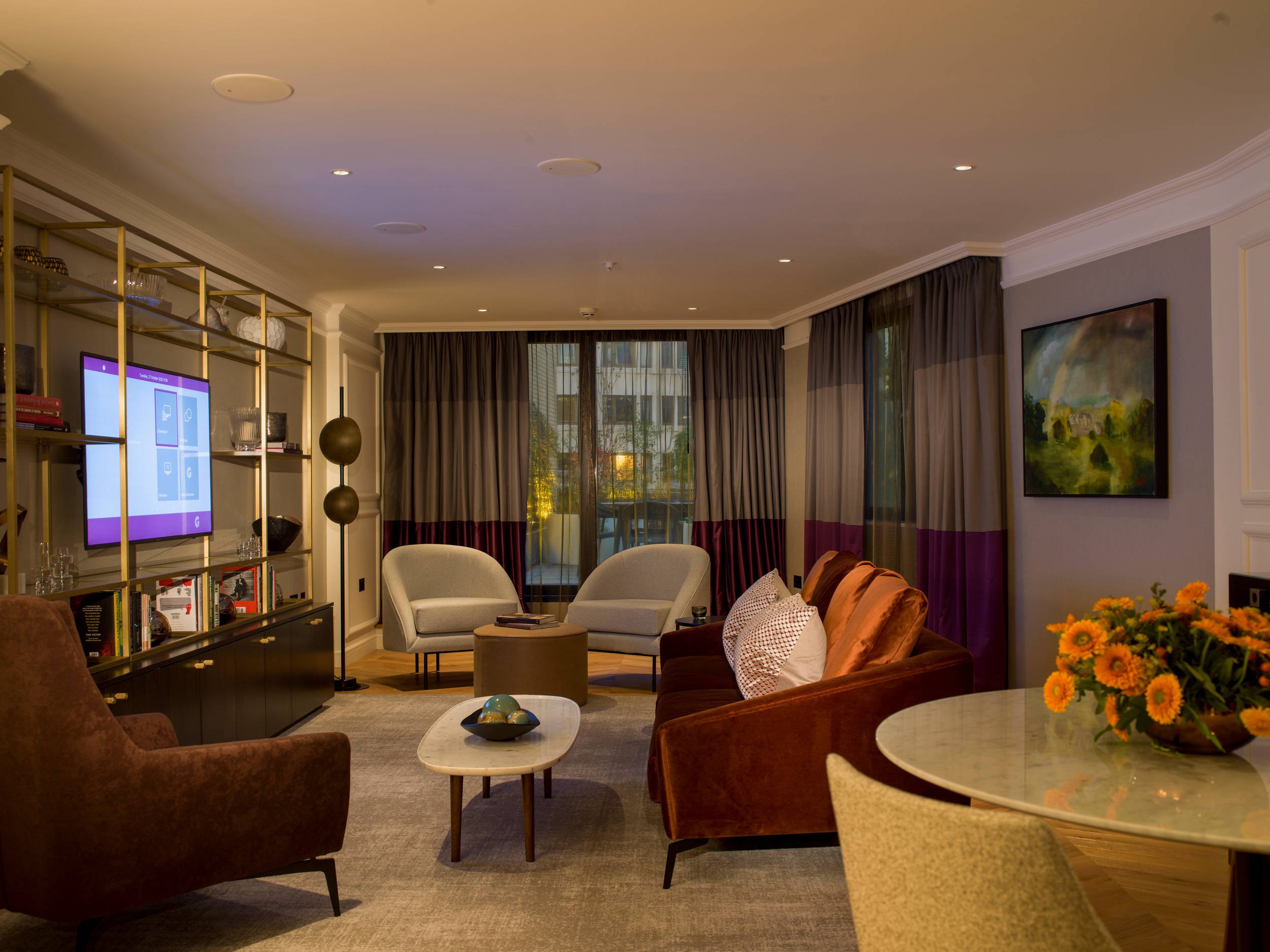
One of the most interesting opportunities included the old mezzanine level that had been dedicated windowless meeting rooms. Rather than accepting that these spaces were unusable as guest rooms due to the lack of windows, we completely reimagined them and created a collection of premium suites with rooflights and internal gardens, flipping the stereotypical expectation of a suite on its head. Each room has its own twist; some with informal entertaining spaces, other with dining areas or even a DJ and party area. Our skilful design does not only tap into the visible elements, but also the invisible.
This project was ultimately a testament to our multifaceted approach where we could spin a building to increase its design features, whilst maintaining commercial viability.
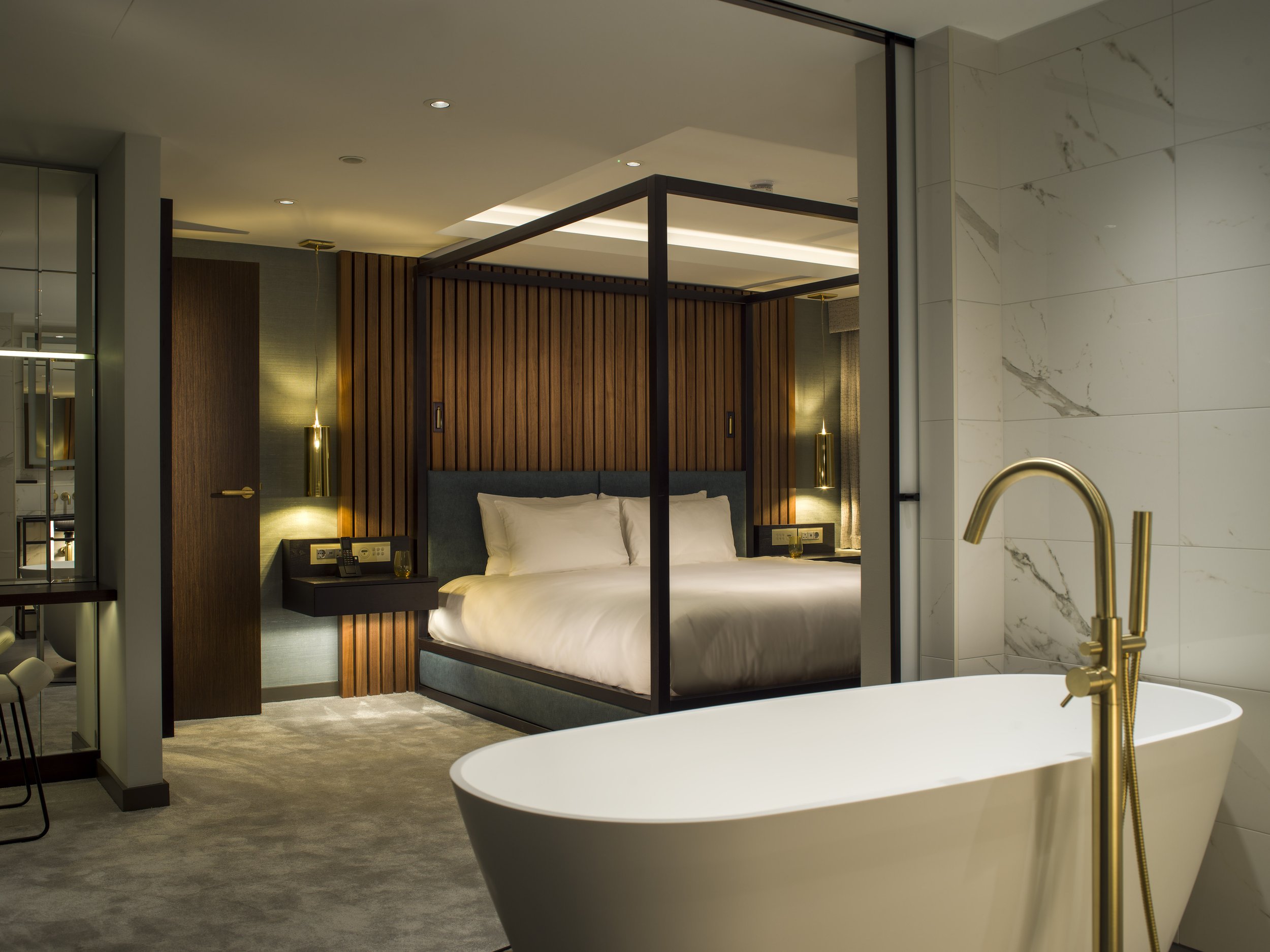
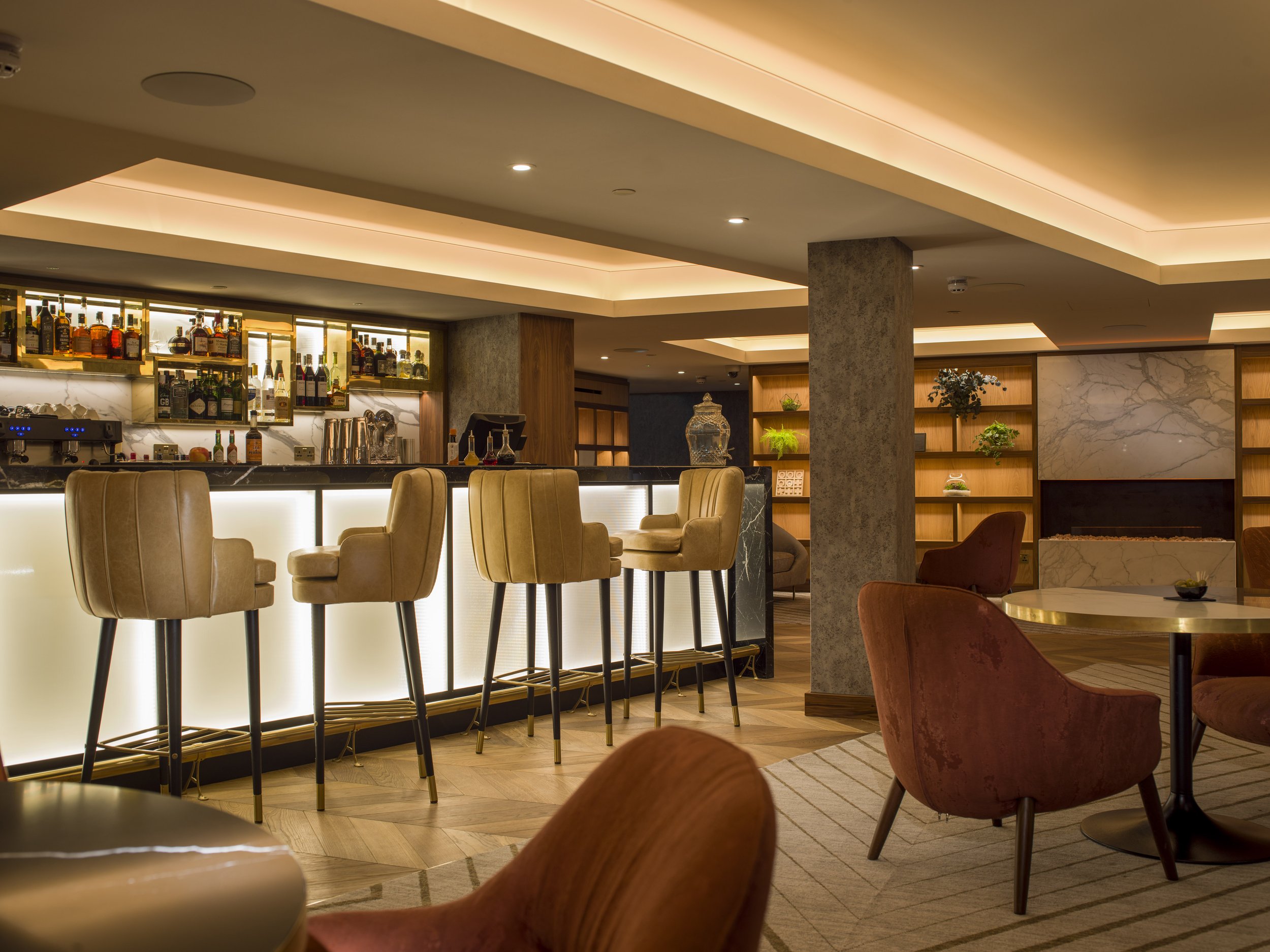
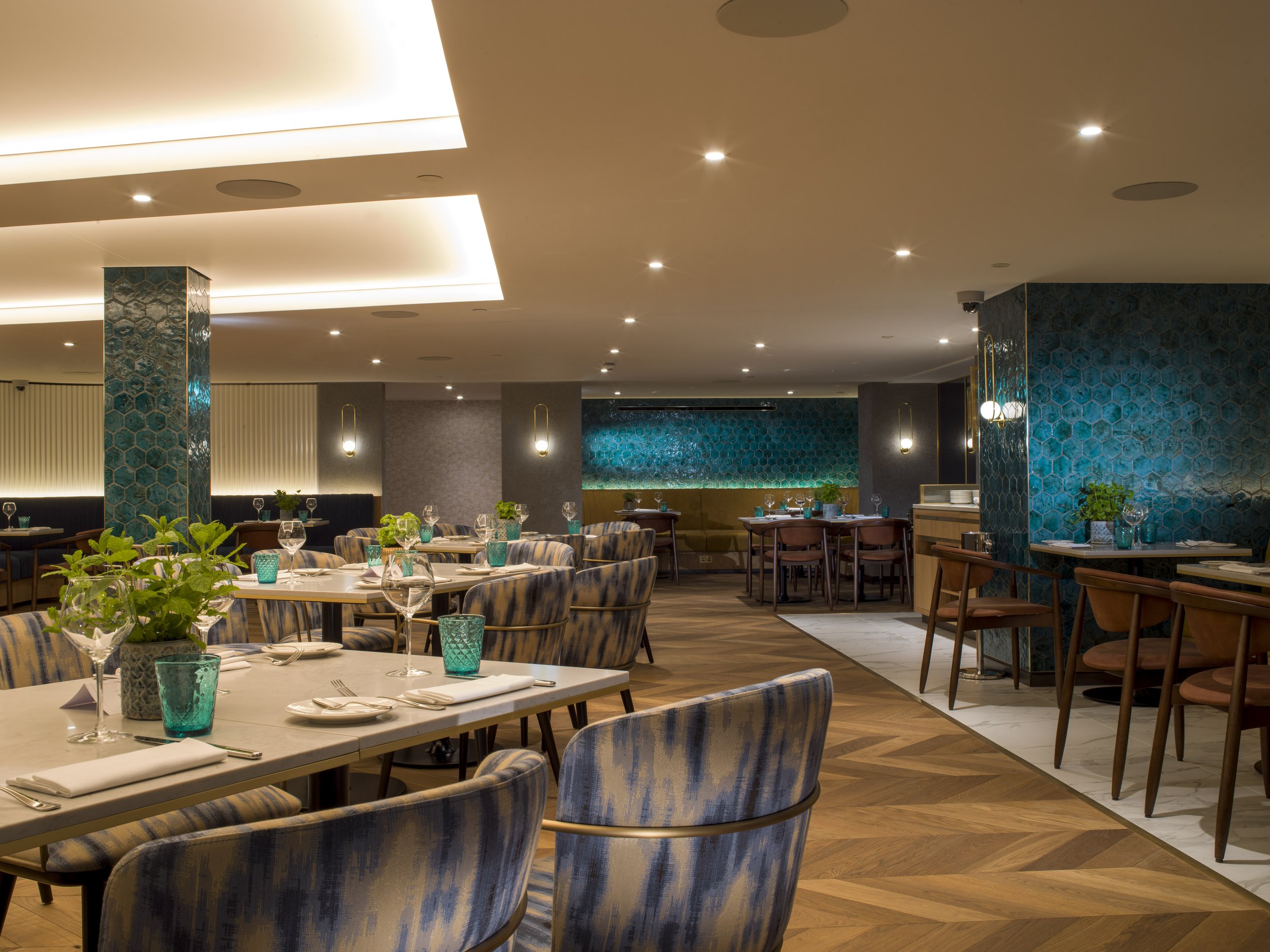
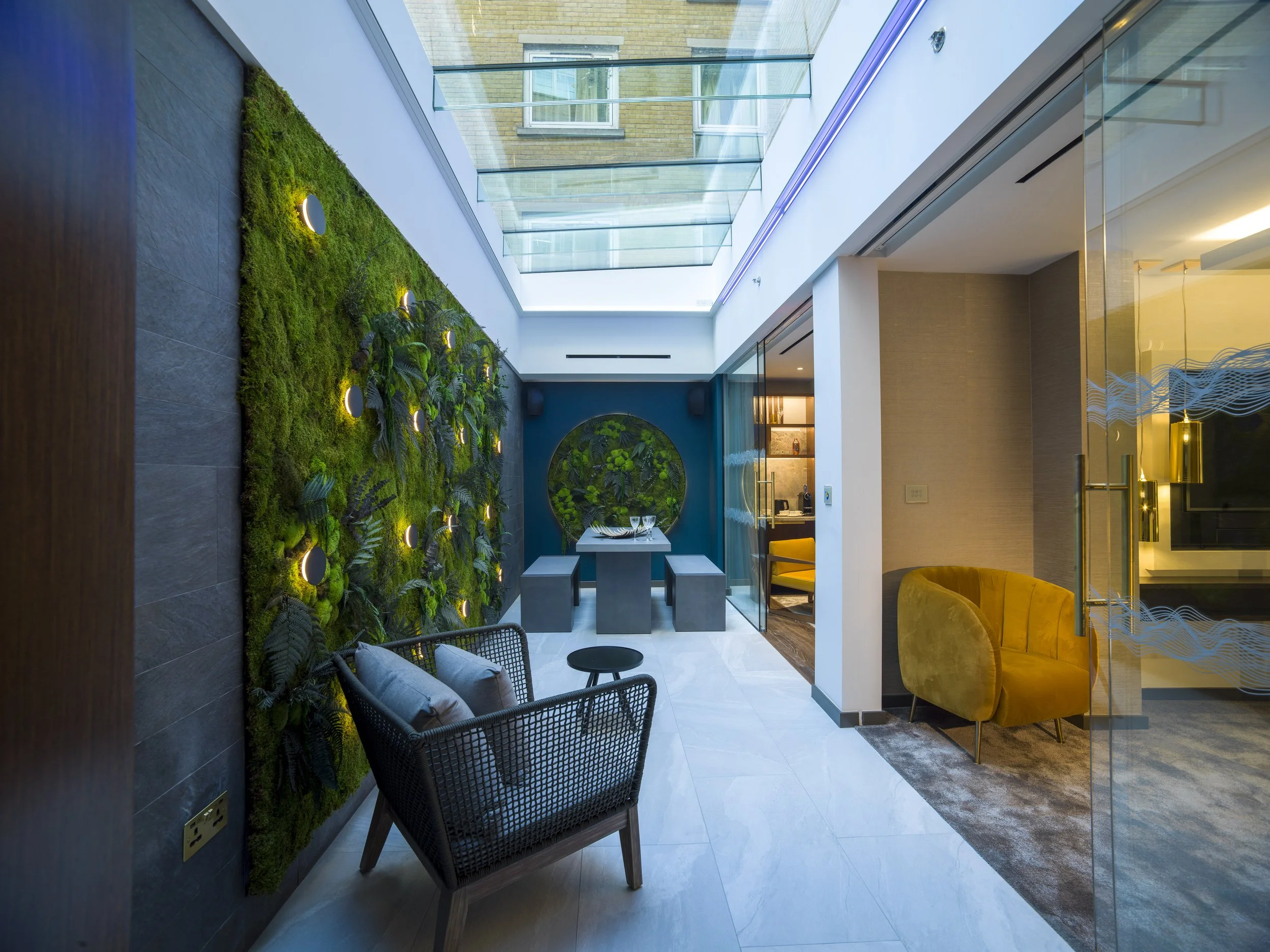
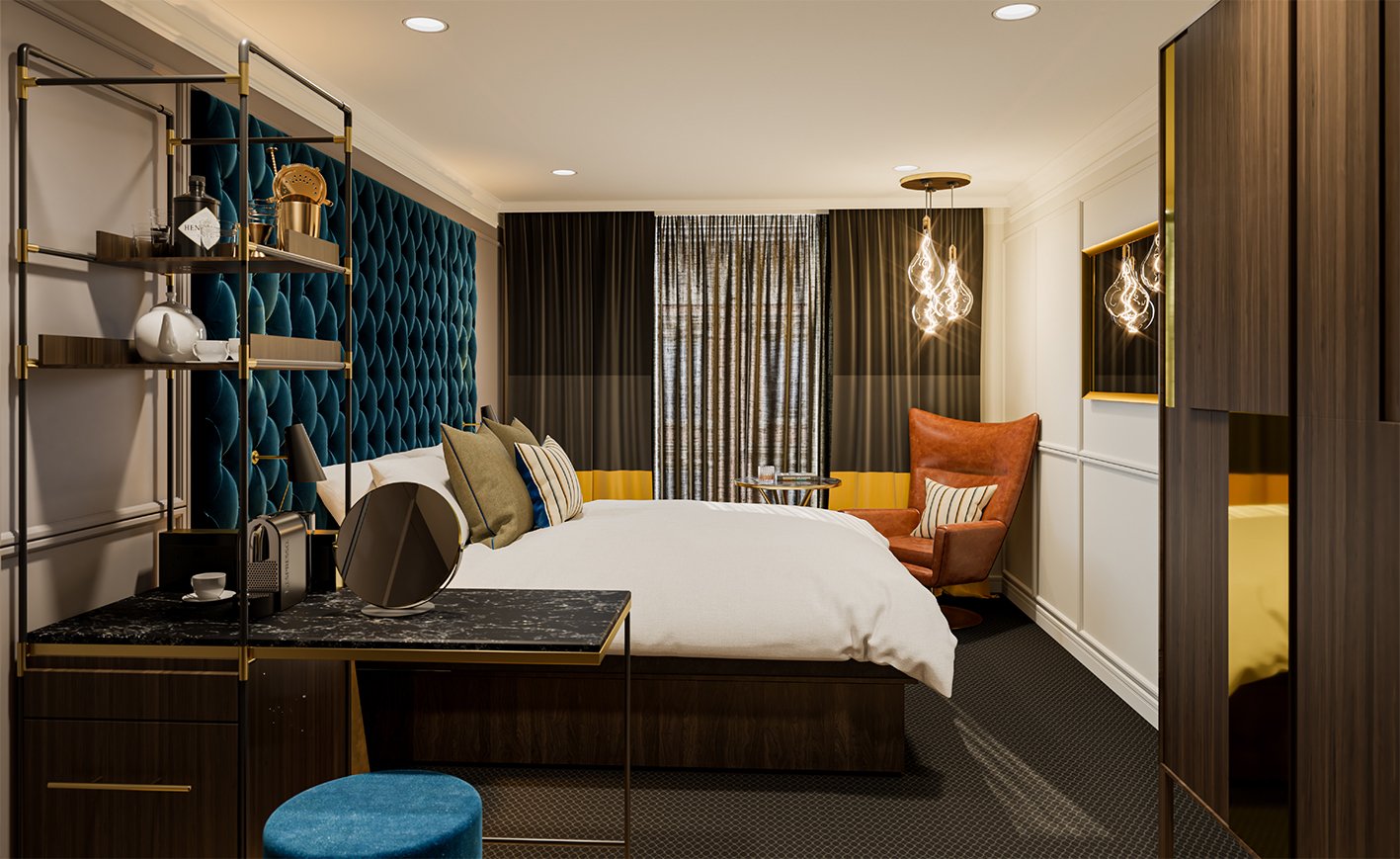
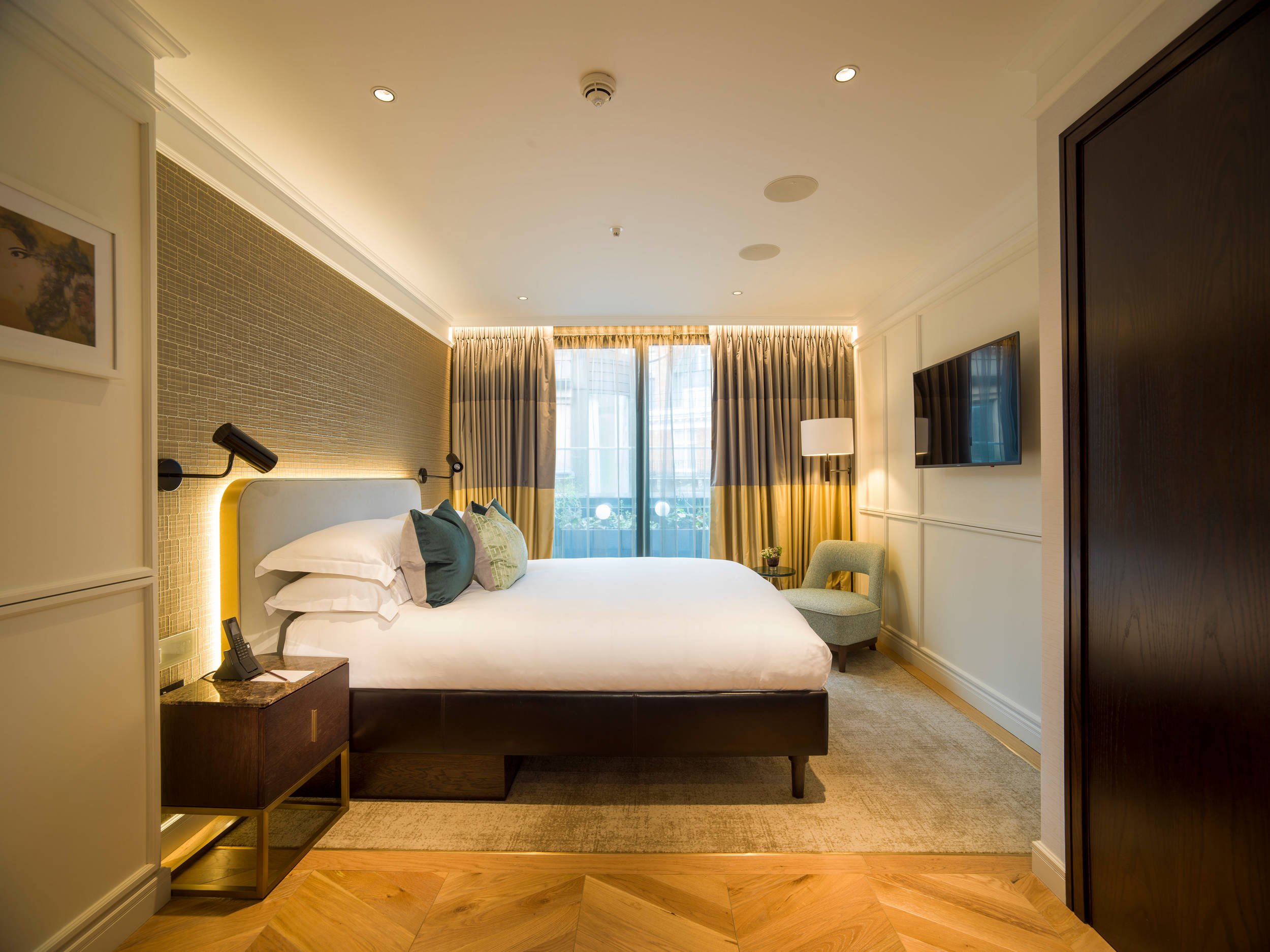
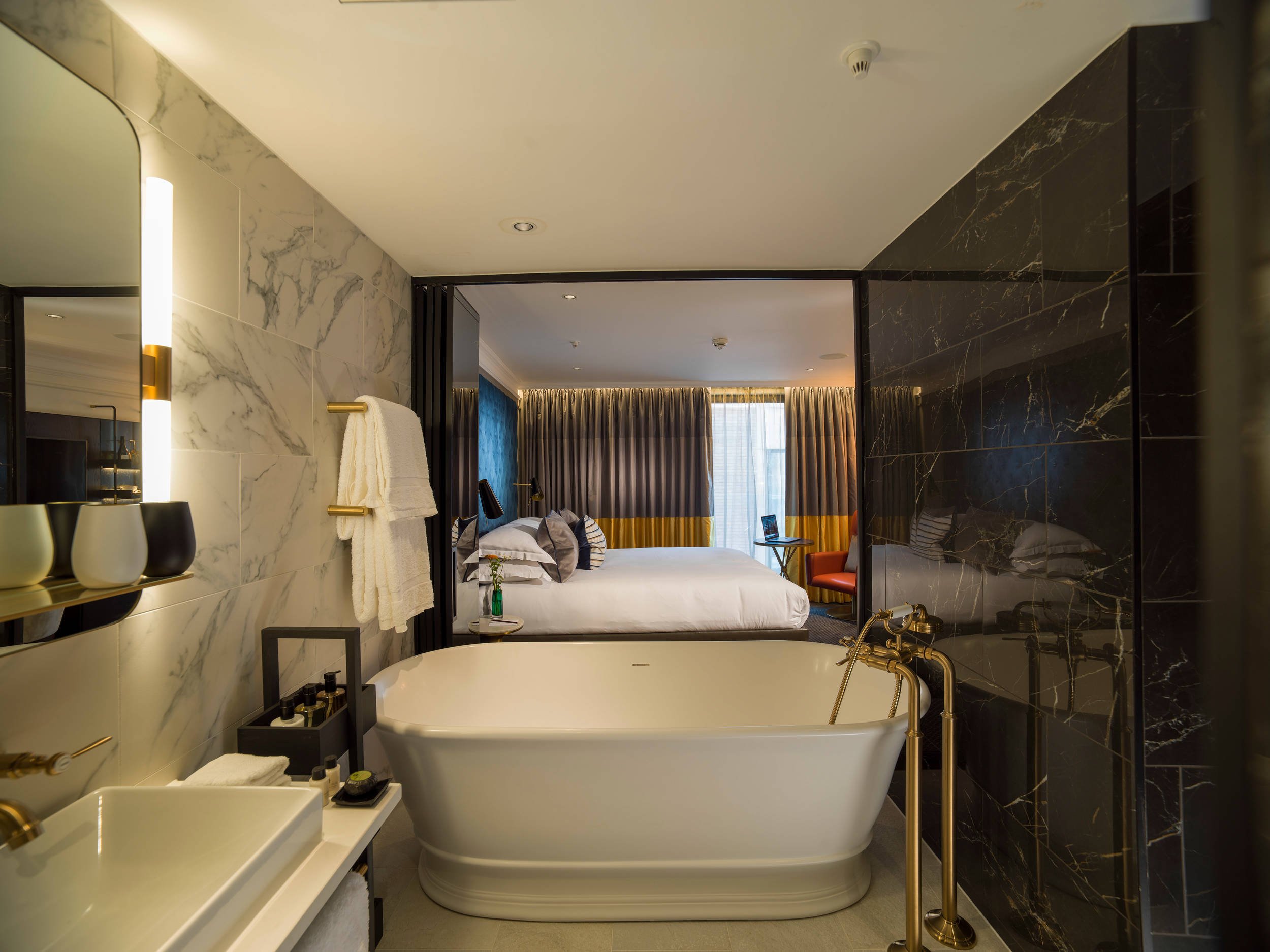
Alongside Middle Eight, we were simultaneously involved with Guardsman. This was an exciting project as it was a new-build, meaning we had much more control of the design from the outset. With around 53 guestrooms and 6 residences to accommodate longer stays with fully fitted kitchens, valet, terraces and even chefs, the Guardsman proved a spectacular feature in design-led hospitality.
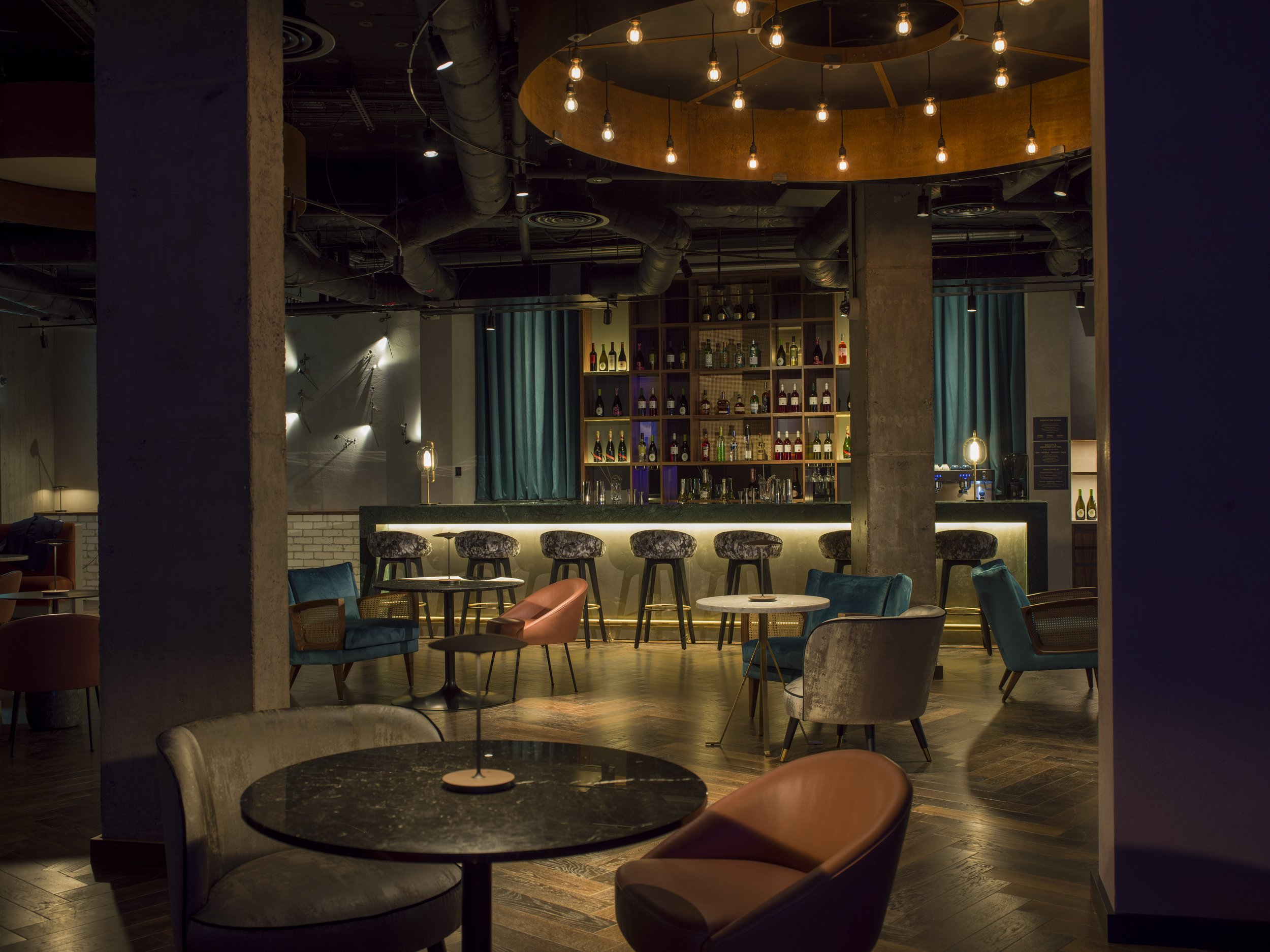
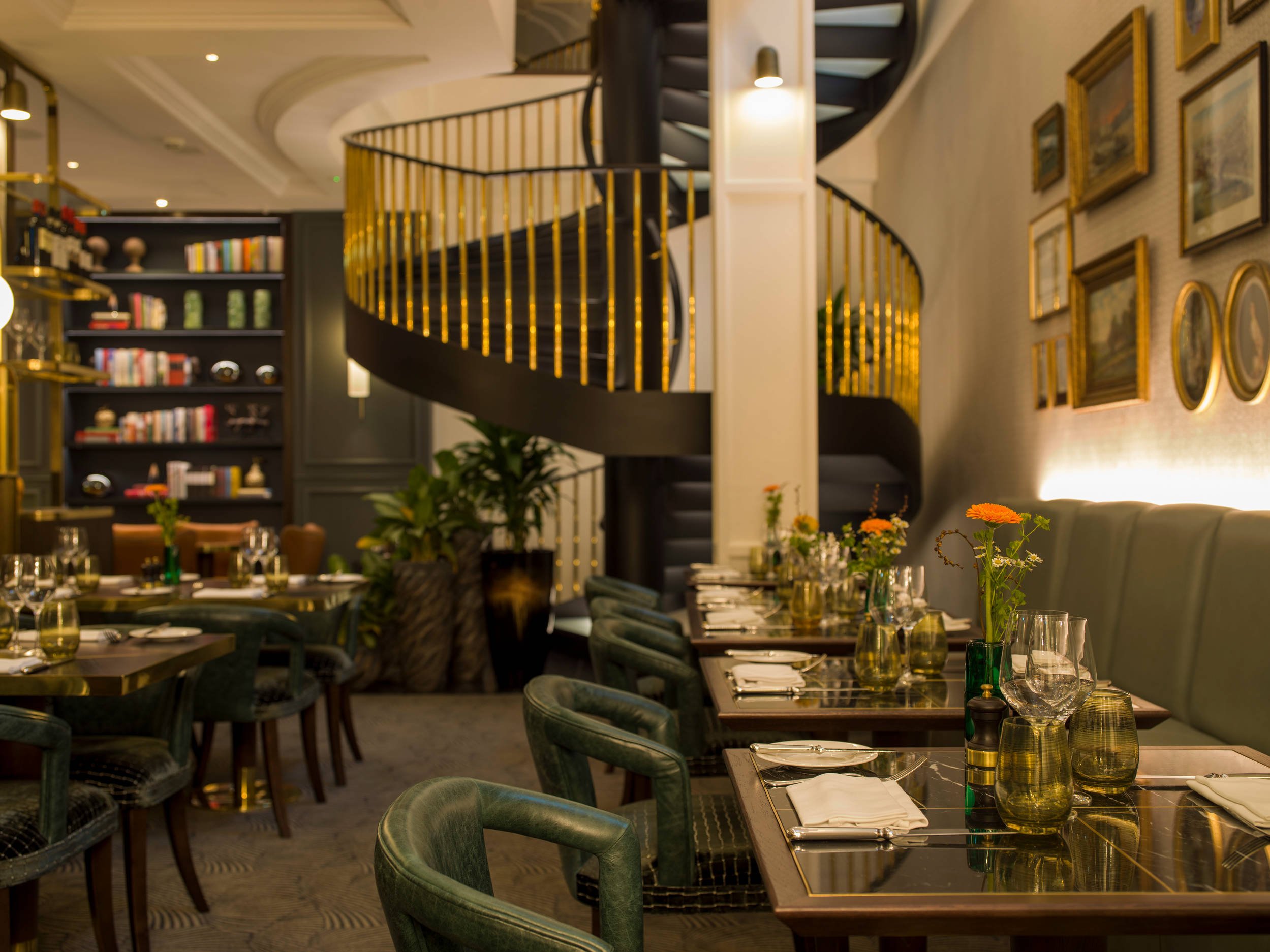
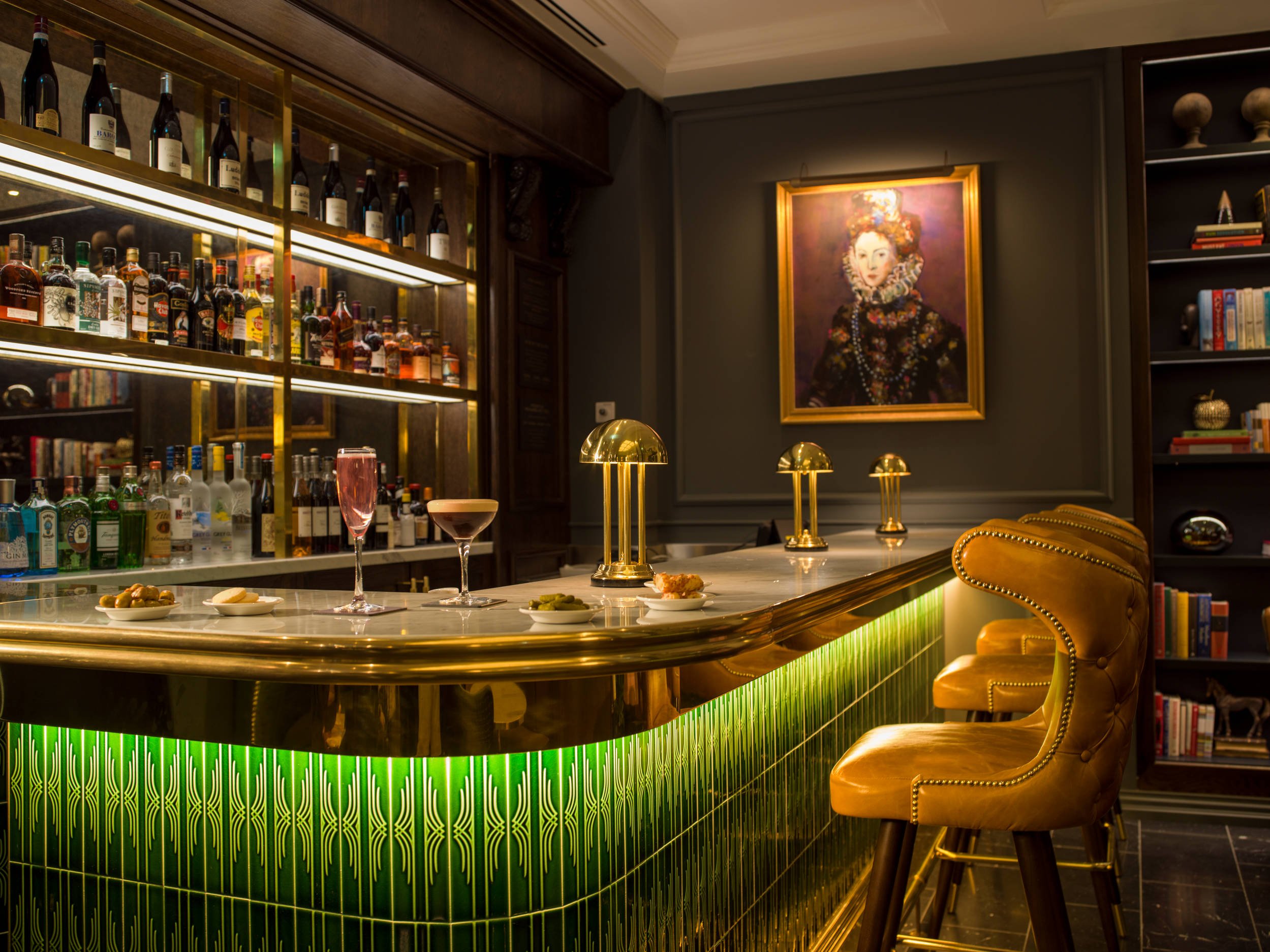
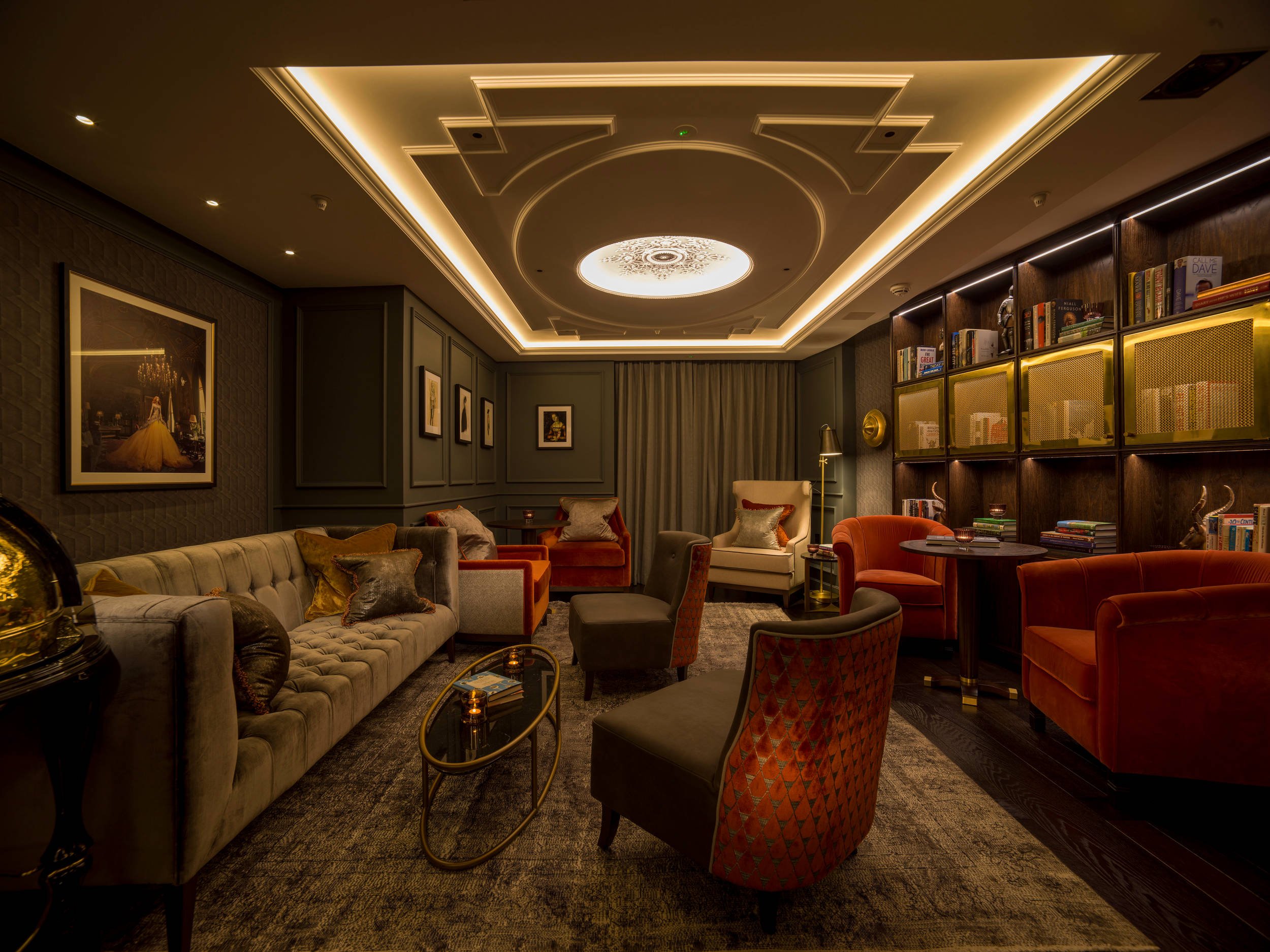
The concept for this hotel develop it as an intimate boutique hotel that suggested exclusivity. As the site was reasonably small, the areas left for facilities were limited, thus we capitalised on use of the ground and lower-ground floors. The lower-ground floor was transformed into a restaurant, and the ground floor was converted into a lounge and dining space. Connected via a spiral staircase feature, we seamlessly fused all the design elements together. Solely guests have access to the restaurant, enhancing the level of exclusivity rather than operating as a traditional restaurant open to the public. Visitors thus get to experience the rustic British interior of the restaurant without interruption.
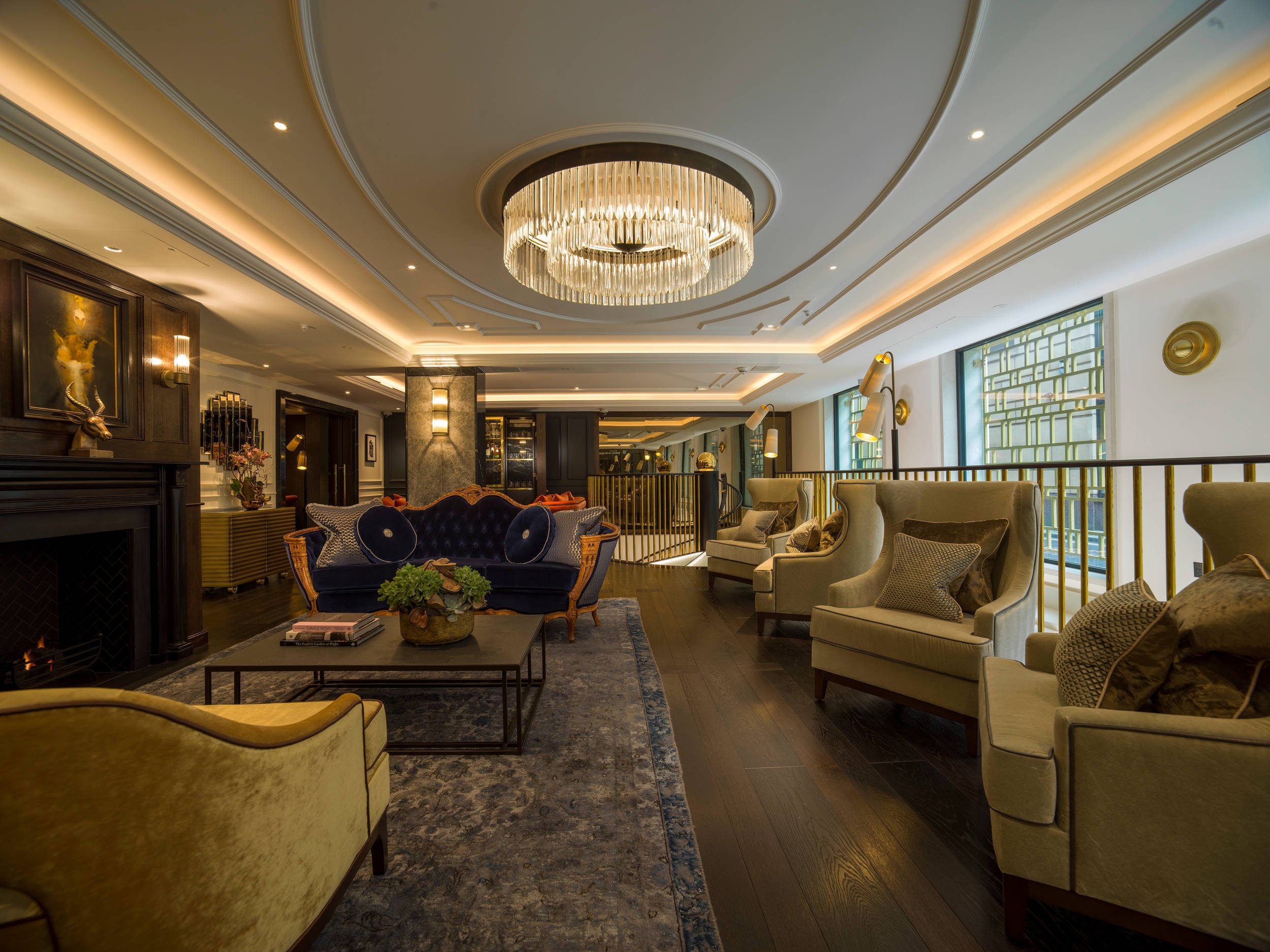
One of the main challenges for designer’s is to co-ordinate competing expectations from developers, operations managers, guests and owners. This is where TONIK’s industry knowledge gives us an edge as we are able to understand and input into a project’s development process form start to finish.
We create destinations, no matter how large or small, that enhances luxury, increases functional operations and develops unique design. Being able to create luxury whether it is a new build or already established building, through narrative, history, design and experience is how we believe design adds to a hotel’s value at TONIK.