Designing for the Future of Wellness
Wellness is no longer just about fitness. Over the past couple of years, we have seen a shift from the traditional expectation of a fitness space- exercise, treatment, perhaps some time in a sauna or steam room, and then leaving- towards something much more experiential. As people’s expectations have expanded, wellness has become a more integral part of everyday life. People are no longer looking for somewhere to simply work out; they are looking for spaces they genuinely want to spend time in.
For designers, this shift has meant approaching these spaces with a completely different level of thinking. Instead of gym equipment → workout → leave, the experience is becoming arrival → atmosphere →movement → recovery → social interaction → food and drink → community → return. Each of these moments contributes to the overall experience and leaves an impression on the person using the space.
The shift from a wellness facility to a wellness experience changes the way we think about the physical environment. Function is still important, but so are the lighting, materials, sounds, scents and overall sense of hospitality. For TONIK, this is where our experience in hospitality has become particularly valuable. With years of experience designing hospitality environments, translating these principles into wellness spaces has been a natural progression, allowing us to consider the end user beyond the function of the space itself.
As the wellness experience has moved beyond the traditional model and towards something more social, the conversation around design has changed too. The focus is no longer solely on equipment or individual treatments. It is about how we create moments of community and social connection, and how we design spaces that leave an impact and give people a reason to return.
“Instead of turning up, doing your gym session, and leaving, there was an opportunity to stay a bit longer, arrive a bit earlier, stay a bit longer.”
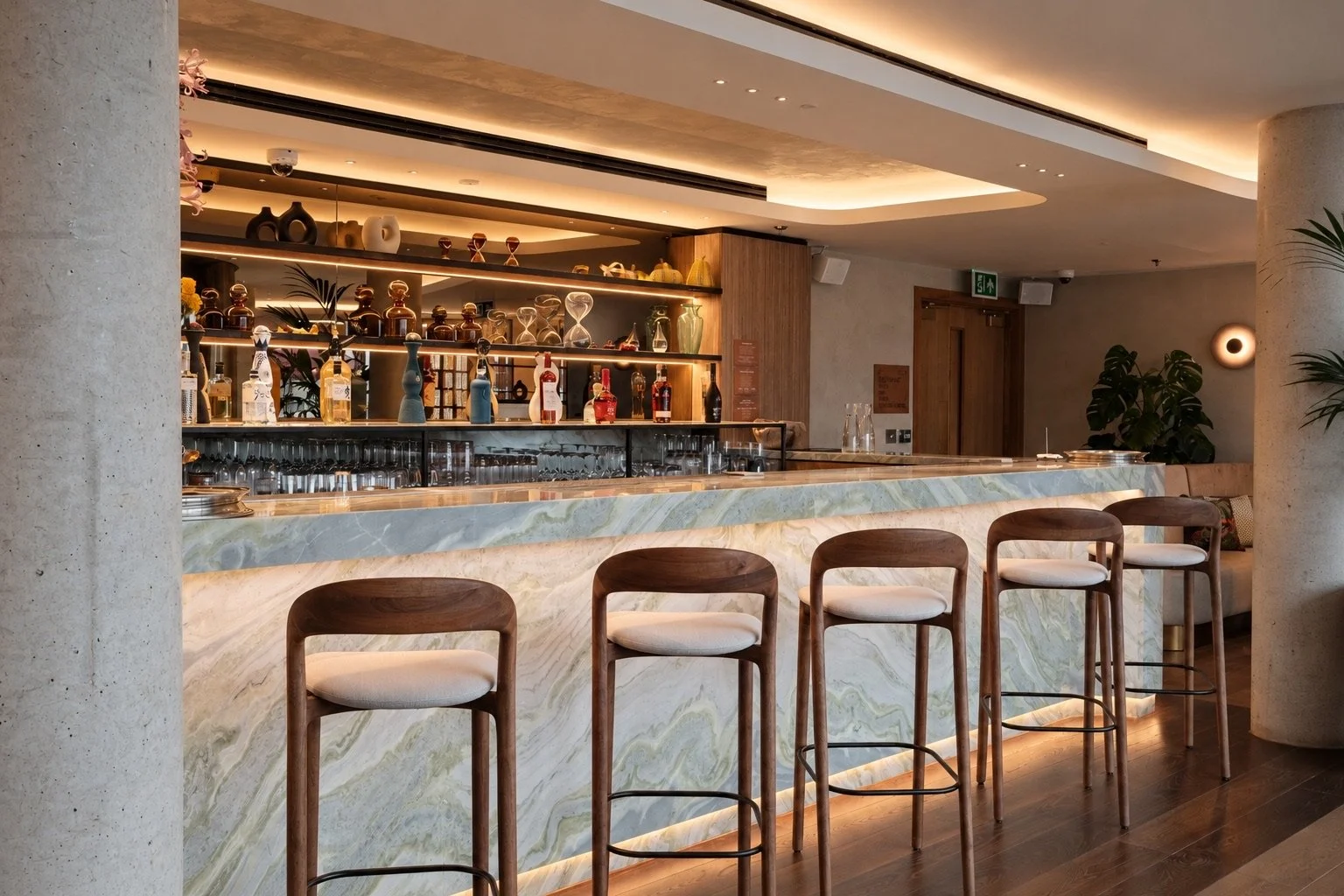
This shift has meant wellness spaces can borrow from hospitality. Rather than reinventing the wheel, principles already established within hospitality can be translated into wellness: arrival, personal service, comfort, atmosphere, considered details, F&B and different spaces for different moods. Bringing these elements together creates a more complete experience and brings wellness and hospitality increasingly closer together.
As wellness continues to evolve, so too does our understanding of what people expect from these spaces. As Gary puts it, the audience is becoming “more of a guest and want more.”
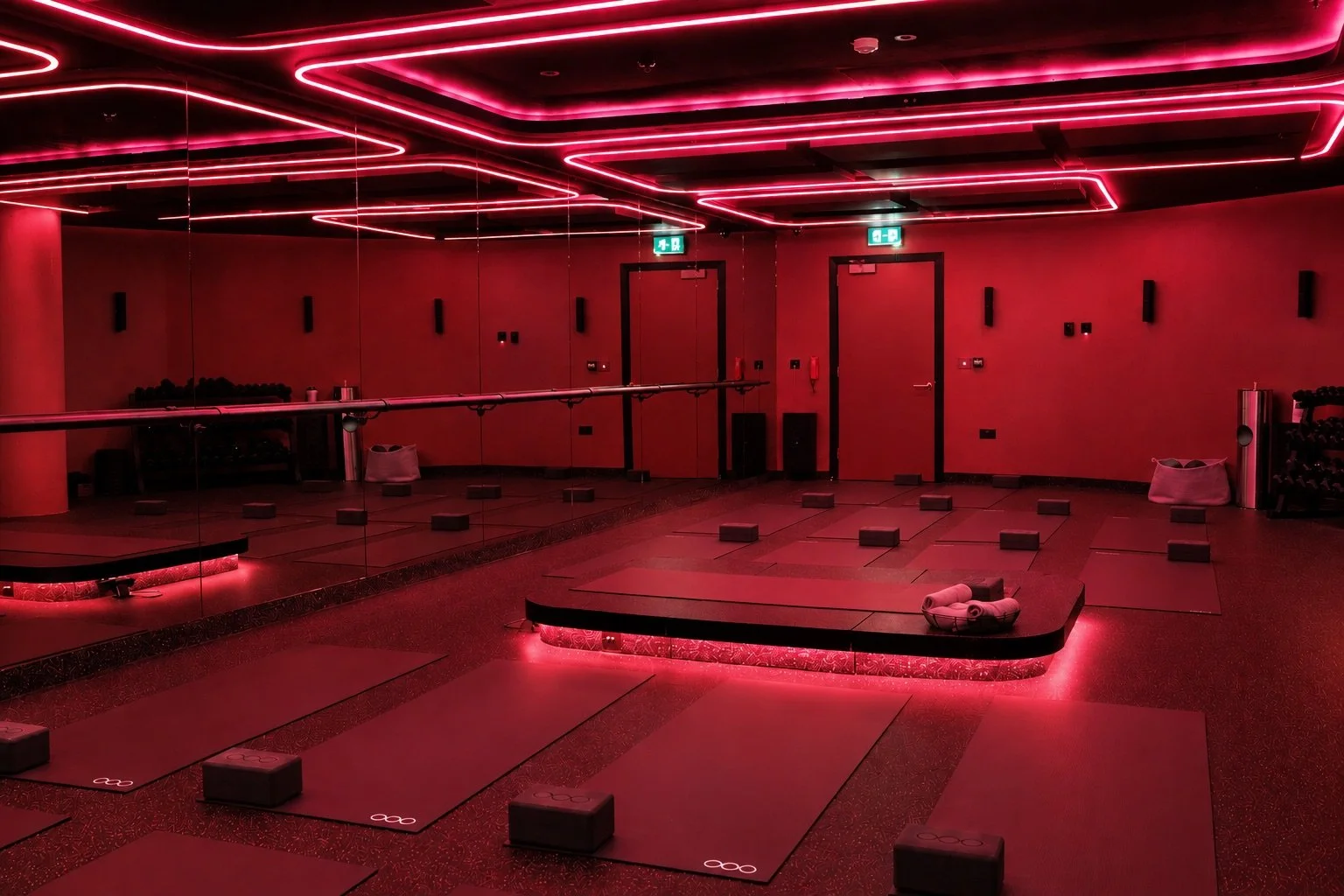
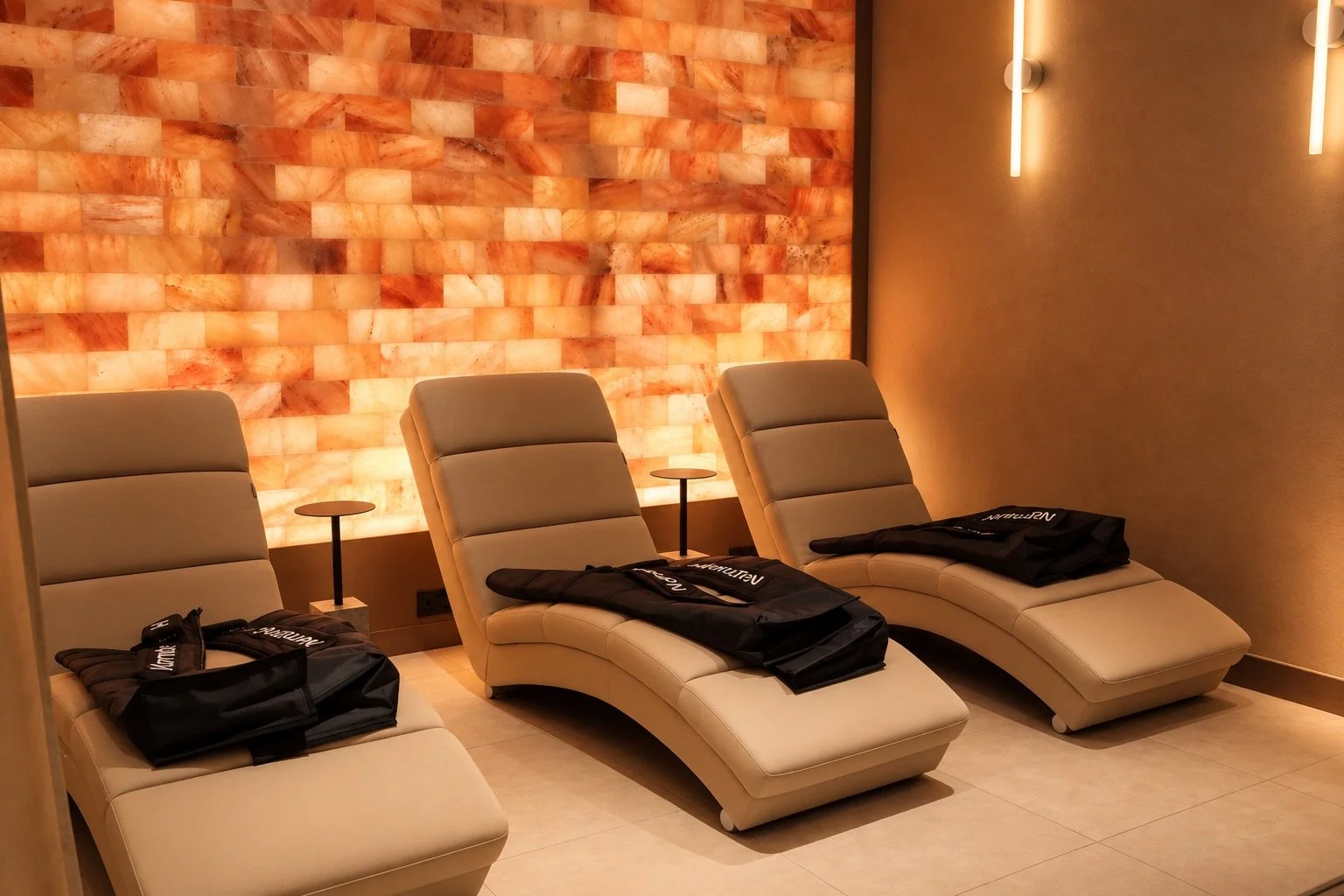
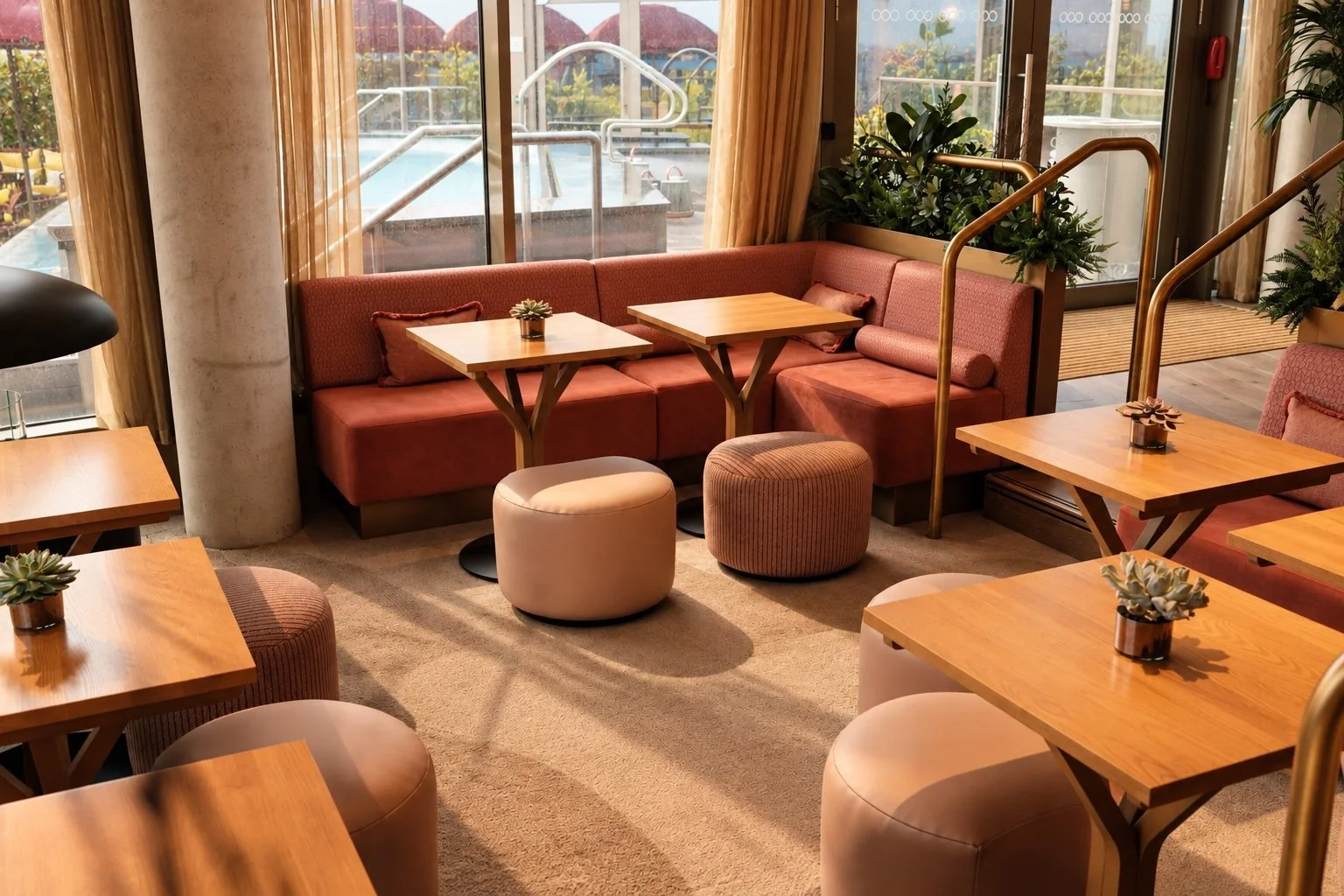
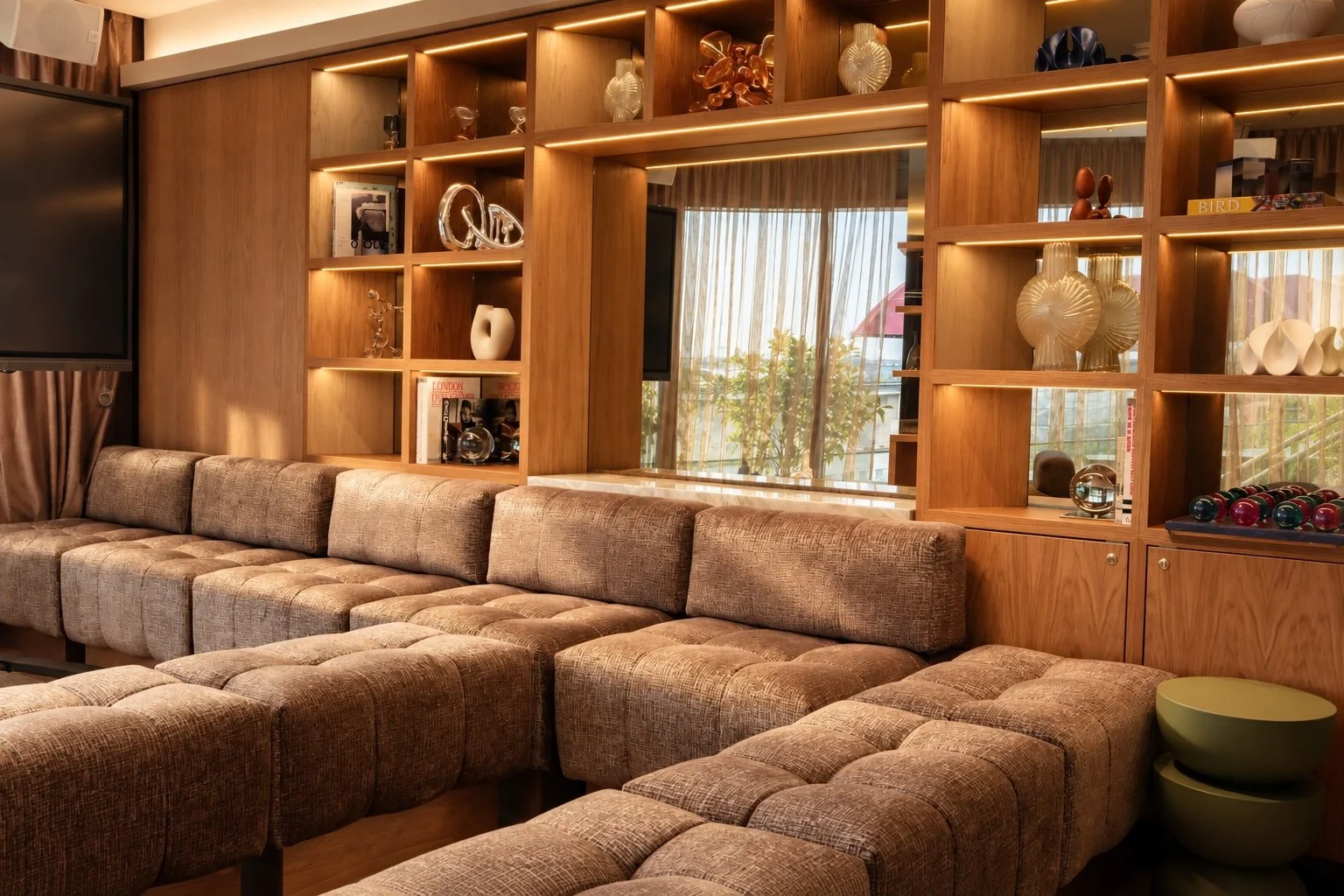
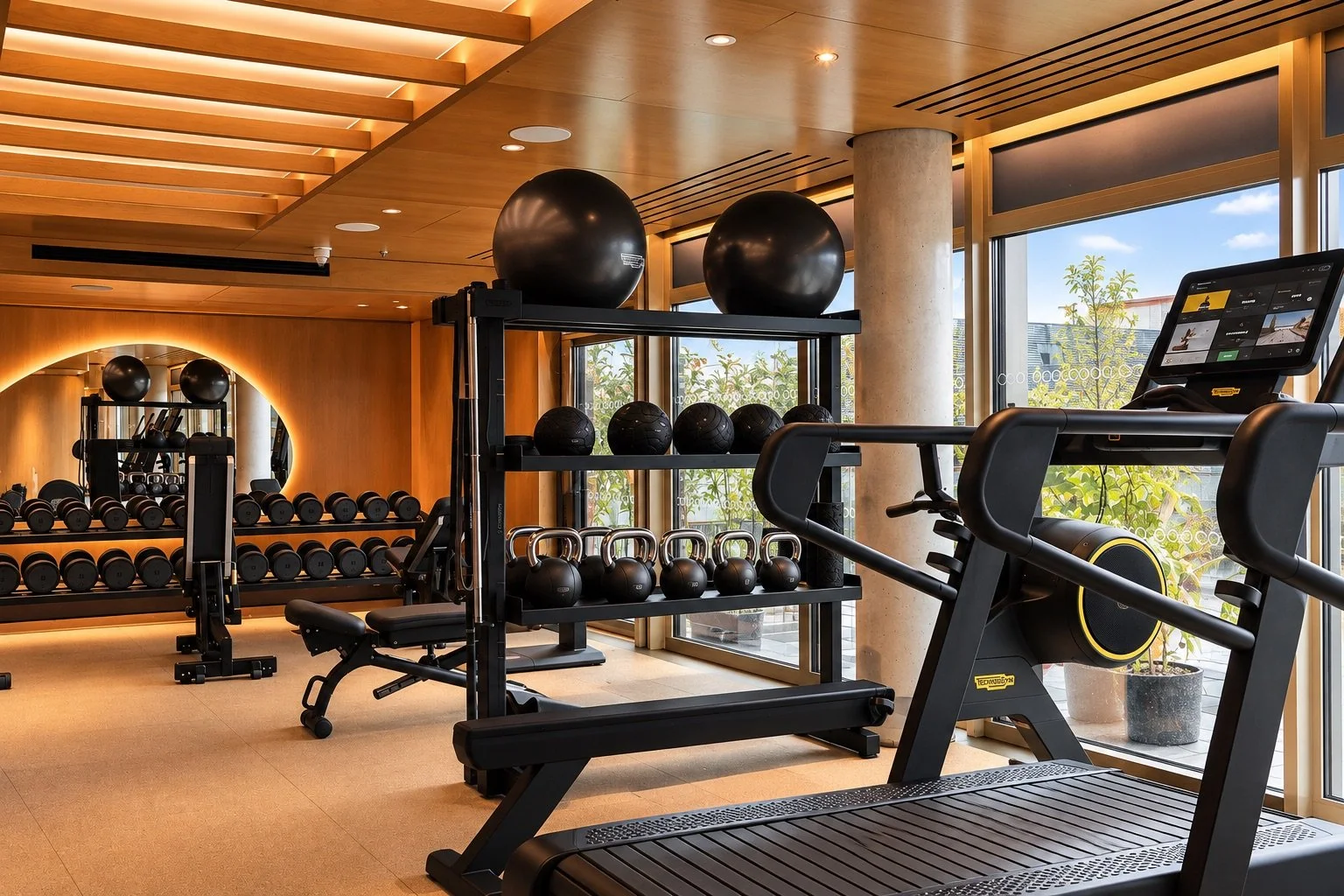
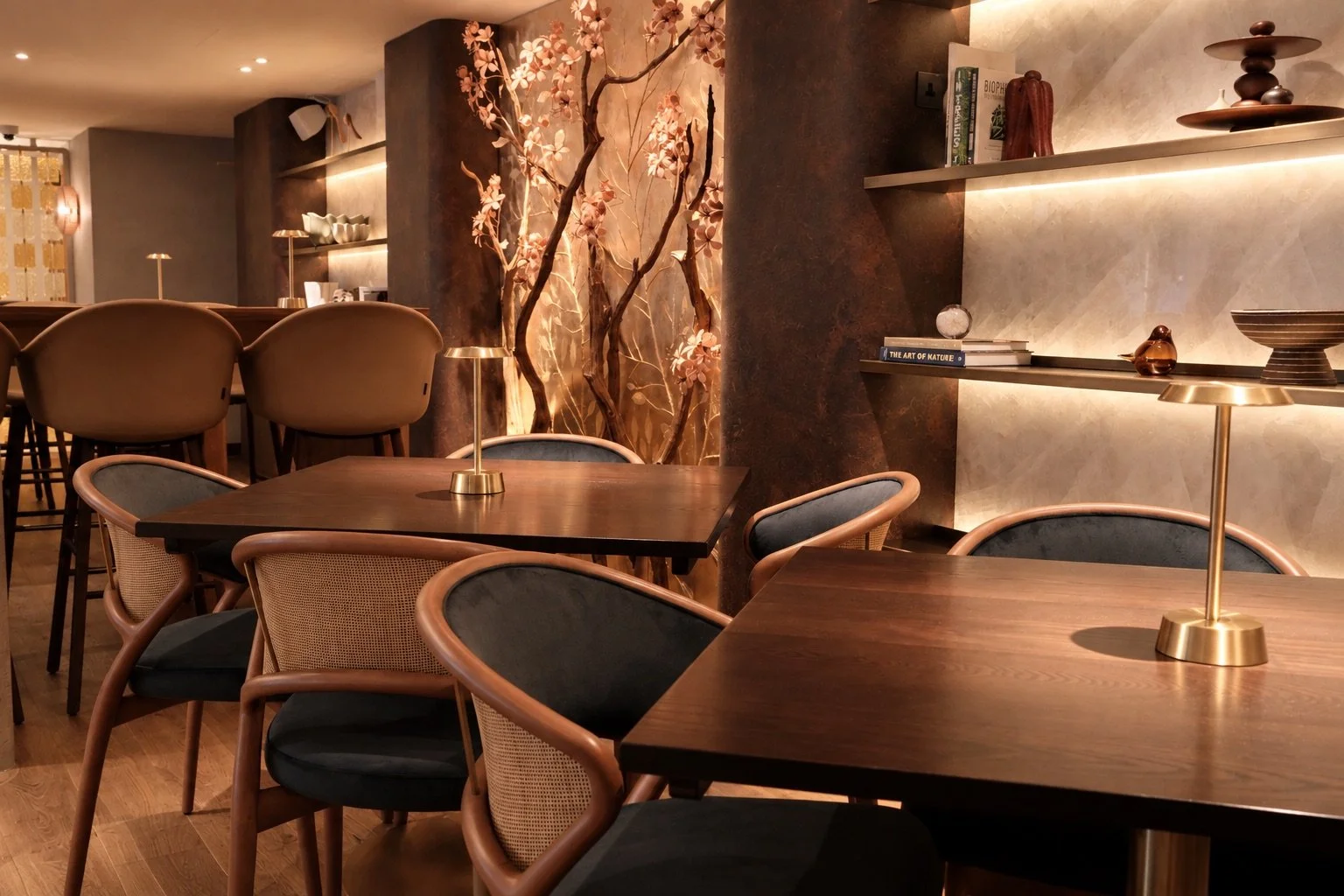
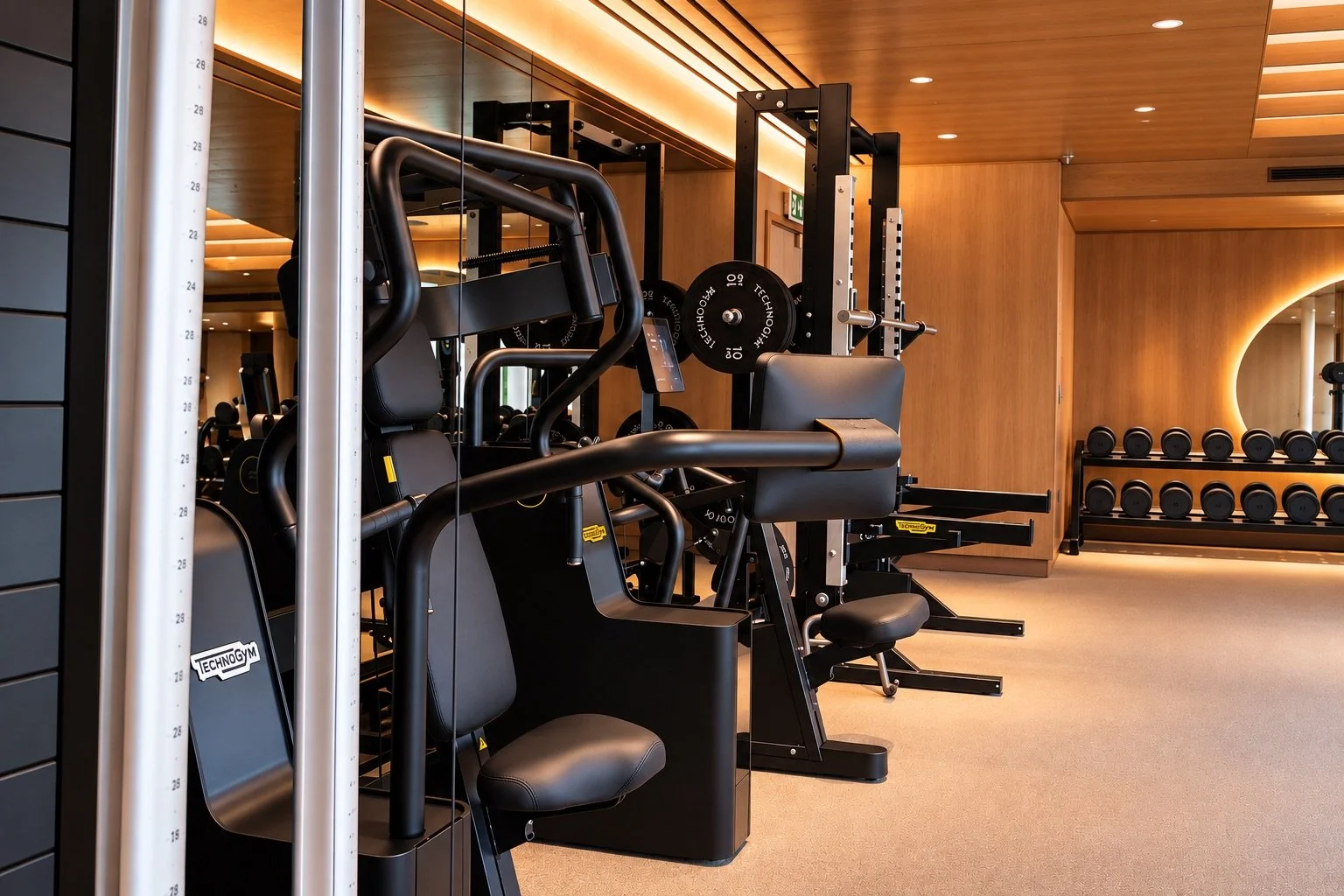
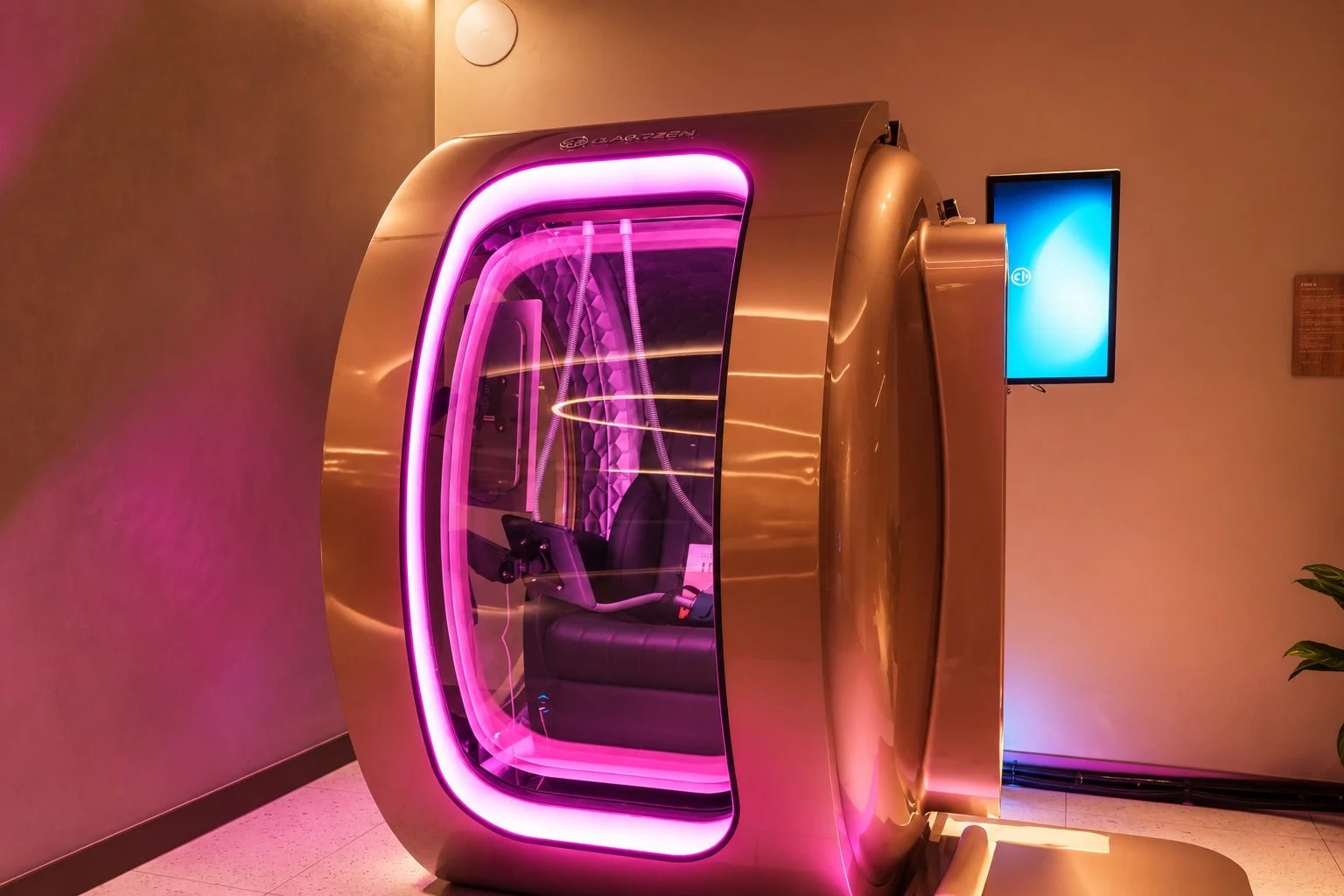
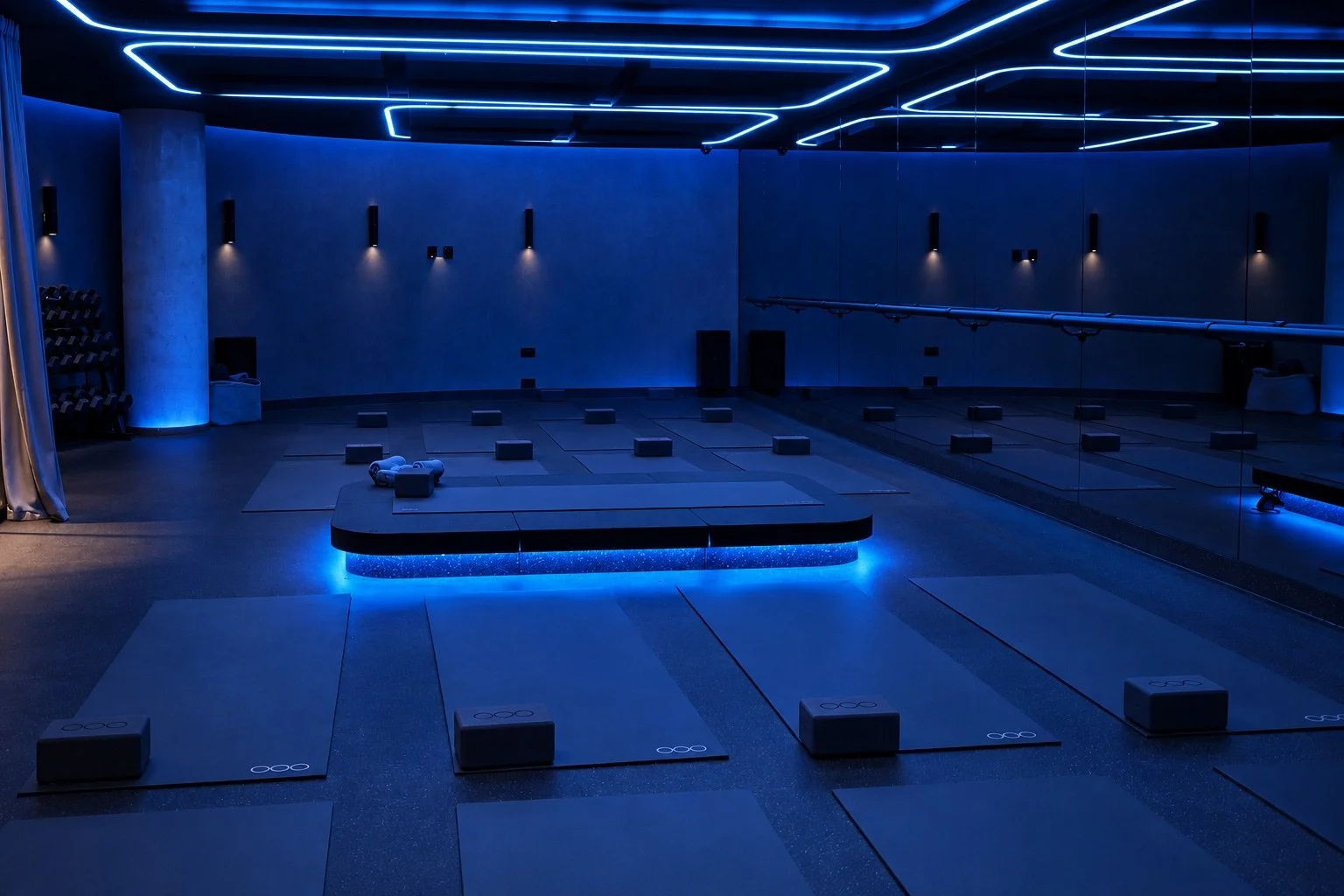
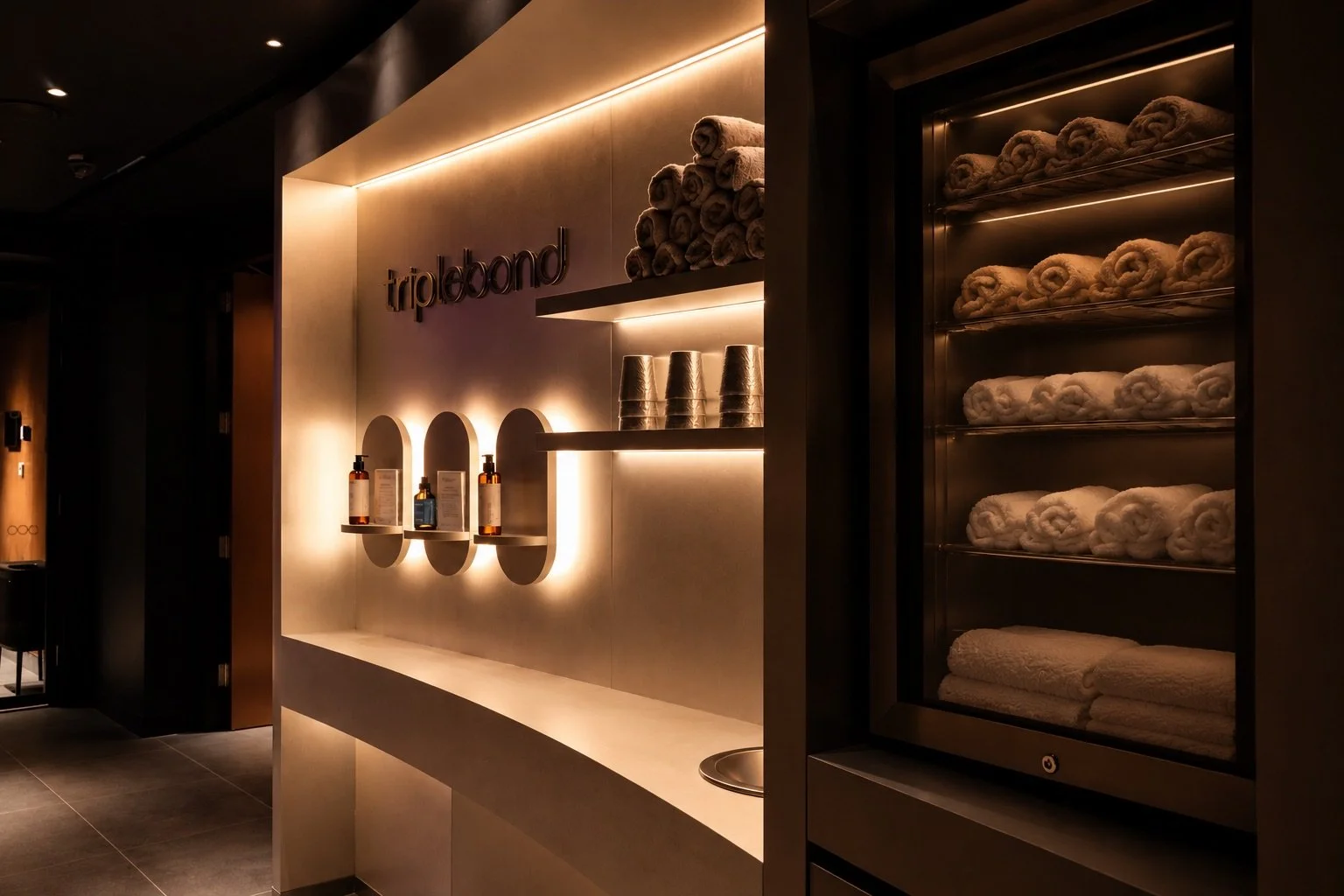
This shift is reflected in the thinking behind triplebond, where wellness is not treated as a series of isolated treatments or fitness facilities, but as a complete hospitality experience. Set across four floors within the existing Botree Hotel in Marylebone, the project brings together treatment spaces, movement, recovery, social spaces, lounges, F&B and outdoor areas, creating an environment that encourages members to move through, pause and stay.
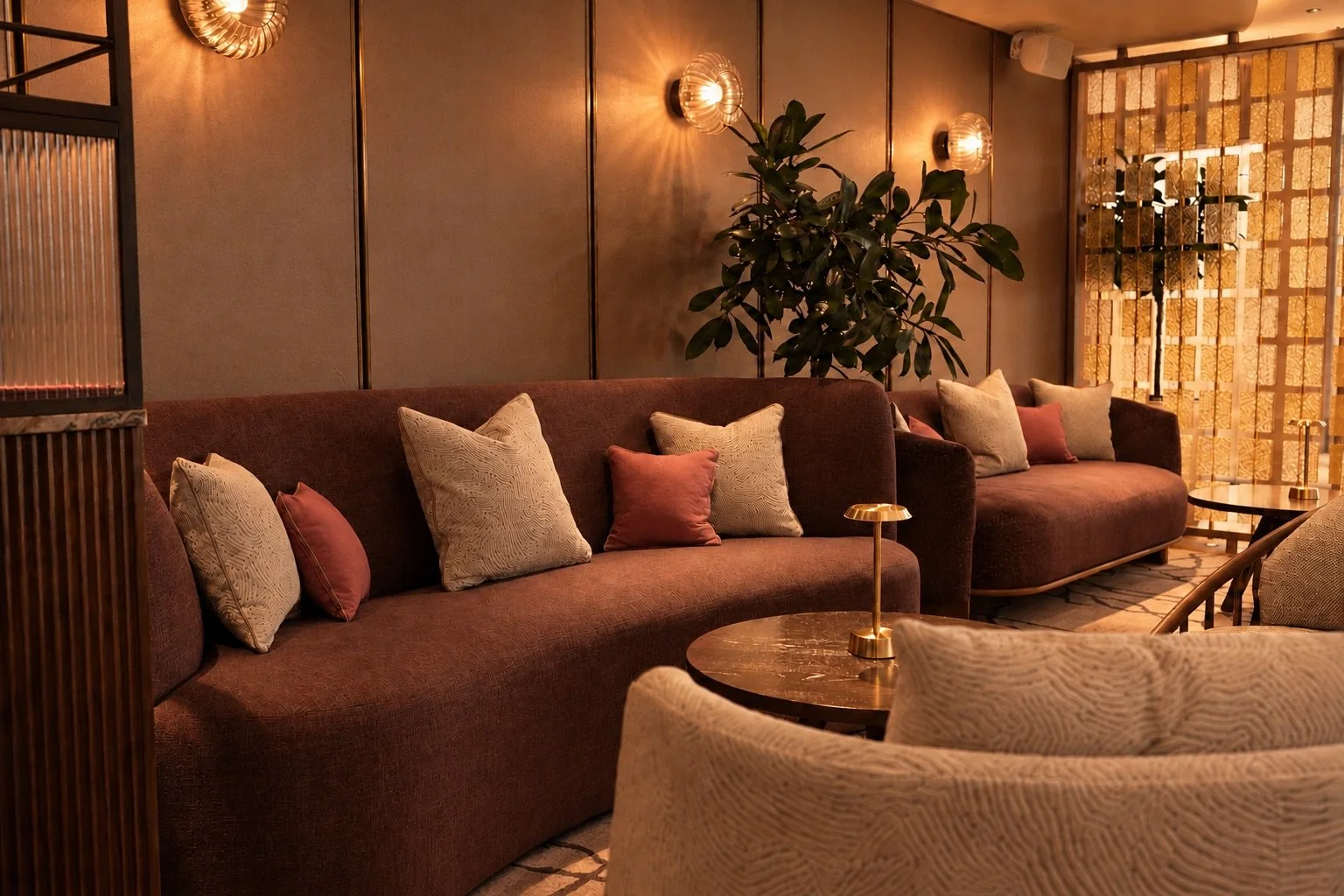
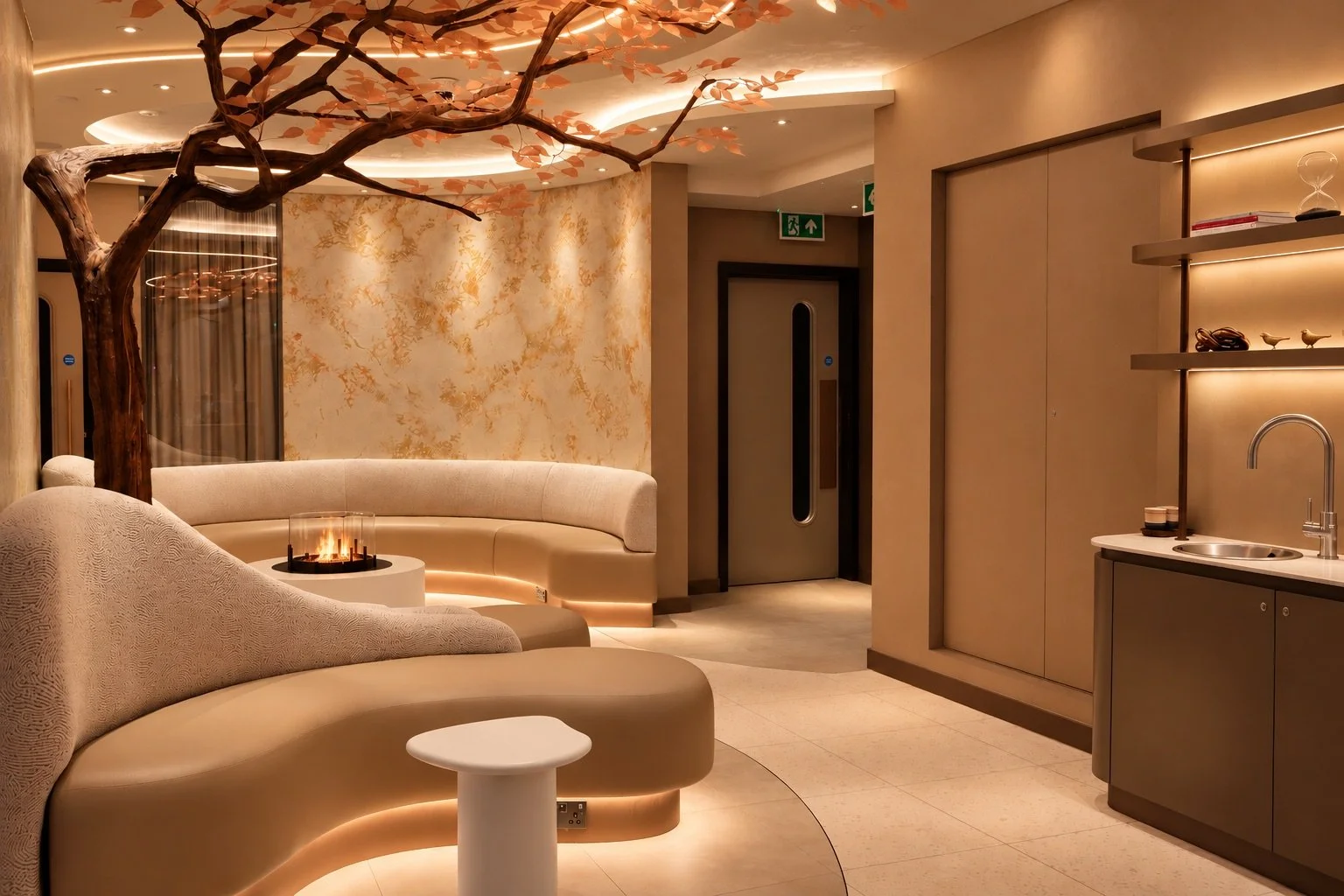
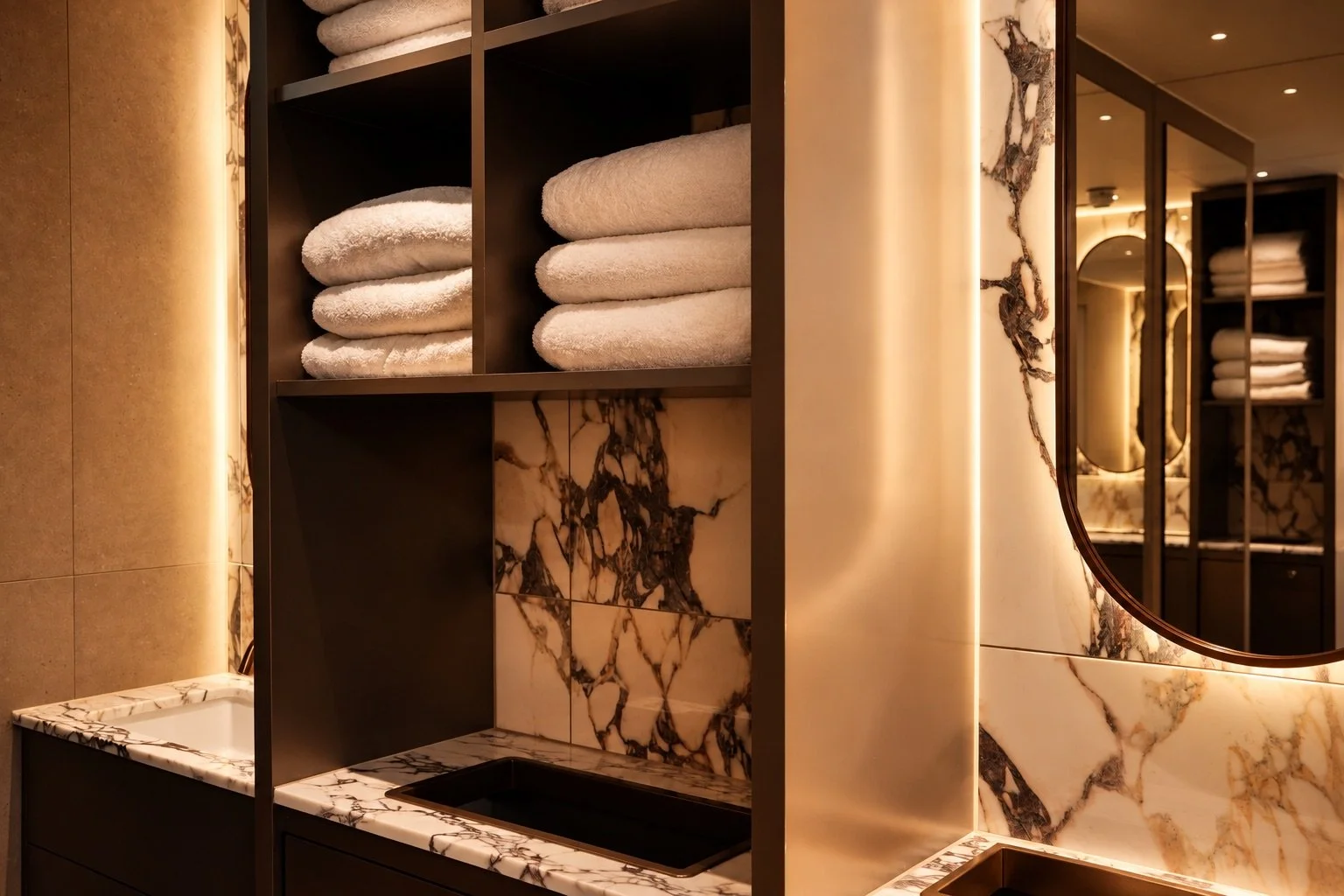
Rather than designing only for what happens during a workout or treatment, the focus was on the experience around it, from the first point of arrival through to moments of relaxation and connection afterwards. This hospitality-led approach extends into the detail of the interiors. At triplebond, every touchpoint was considered as part of the wellness experience, from the comfort of the seating and softness of the fabrics to the use of curved forms, reflective surfaces and natural textures. As Caroline describes it, “everything the customer would touch or experience” needed to be considered on a sensory level. The result is a space where wellness is communicated not only through its programme, but through how the environment feels.

If wellness is constantly evolving, then the spaces we create need to be able to evolve with it. The future of wellness is unlikely to be defined by one particular treatment, technology or way of using a space. Instead, it will be shaped by changing expectations and a growing desire for more varied, social and experiential environments. As Gary describes it, the market is moving towards “a much more social experience”, with wellness becoming less about “filling a room full of kit” and more about the wider experience around it.
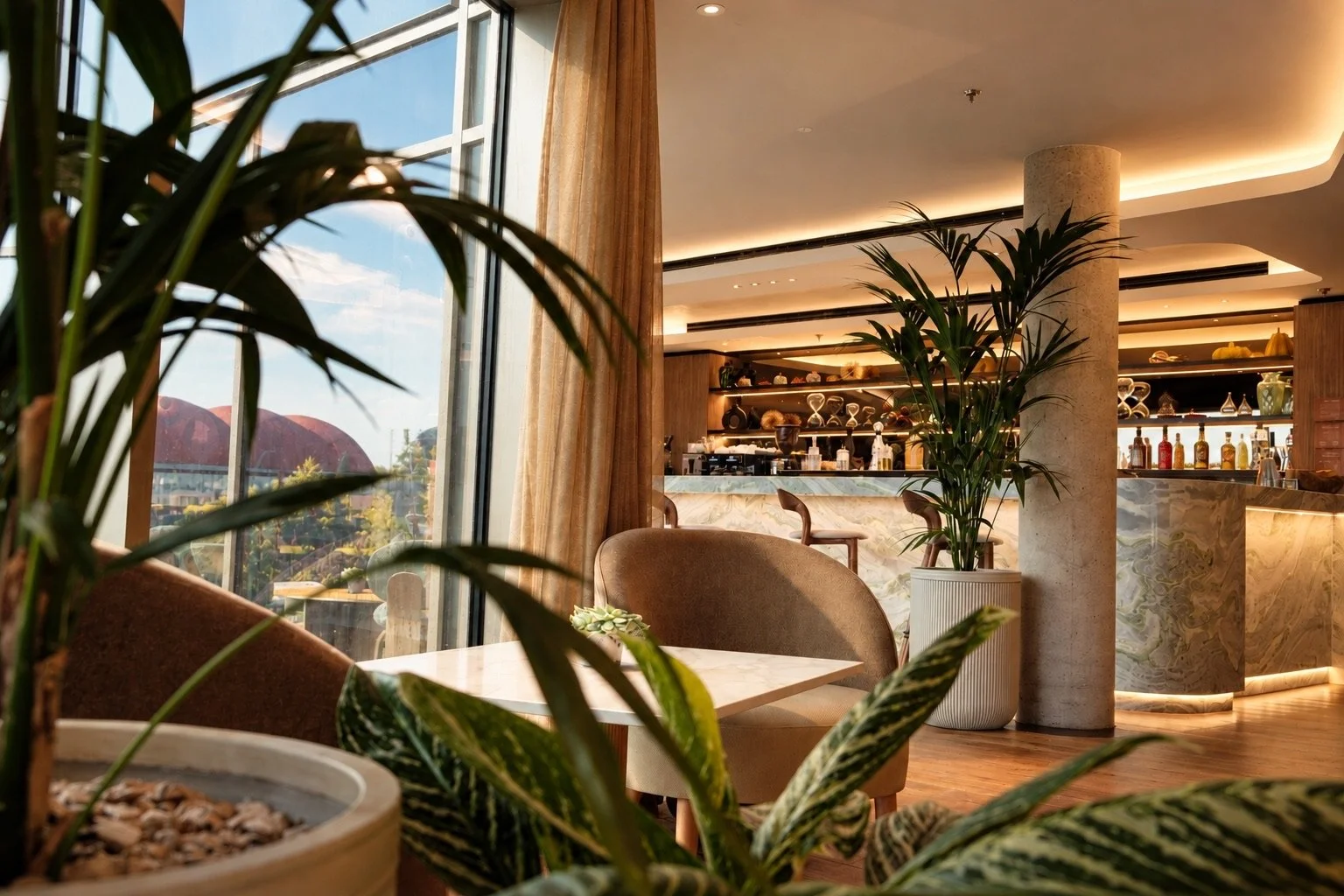
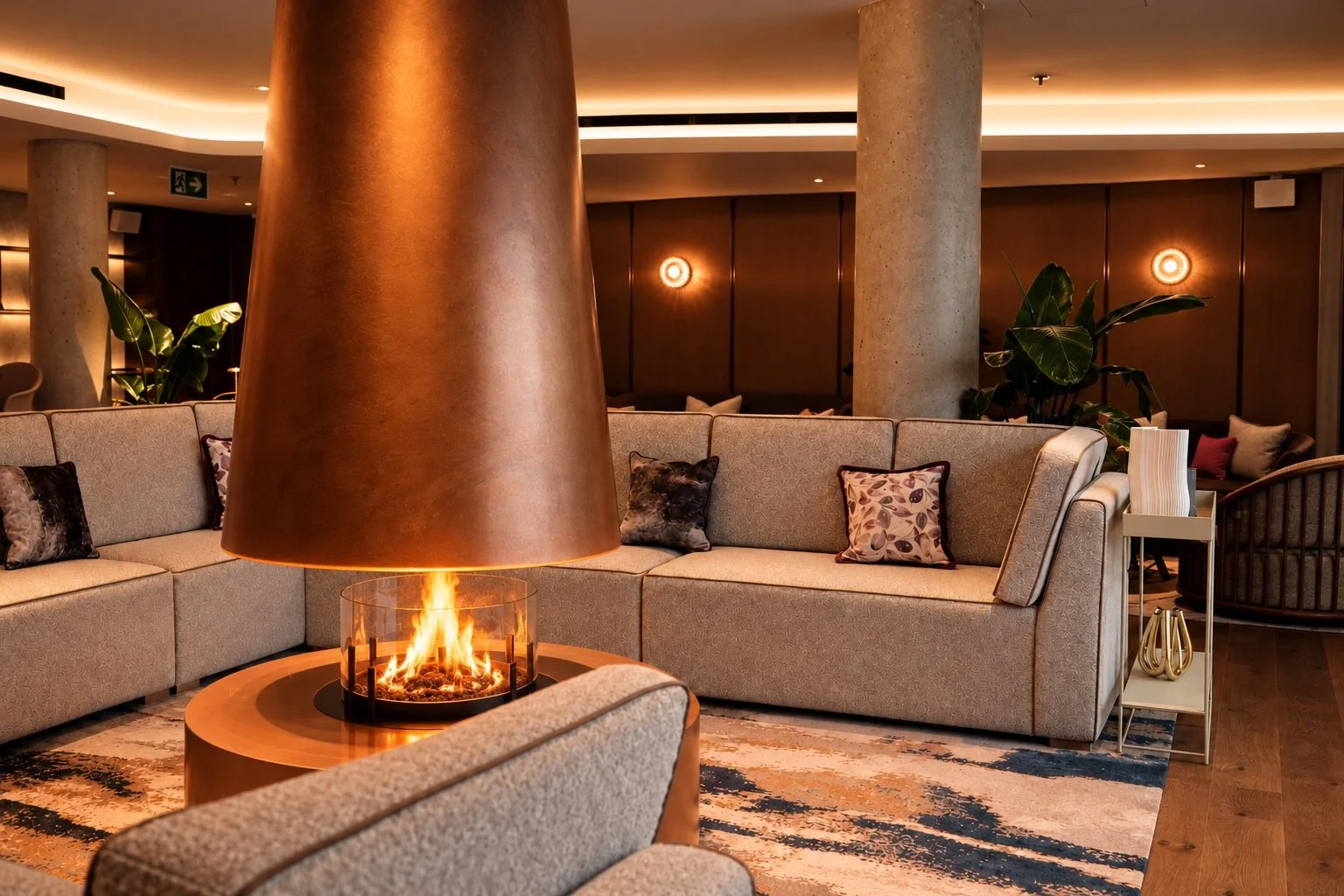
For designers, this means thinking beyond a space’s immediate function. At triplebond, the different floors each have their own purpose and atmosphere but are connected through a consistent design language of soft curved lines, plush fabrics, comfortable seating and textures inspired by nature. This allows the spaces to feel individual while still forming part of one cohesive wellness experience.
Flexibility also became an important part of the design. The 9th floor, for example, brings together a state-of-the-art gym, multifunctional events space and lounge, creating an environment that can support exercise, relaxation, working, socialising and events rather than prescribing a single use. This reflects a wider shift in wellness: spaces are no longer simply designed around what people come to do, but around the different ways they might want to spend their time.
Designing for the future, therefore, isn’t necessarily about predicting what the next wellness trend will be. It’s about creating environments that have the flexibility to respond as people’s needs change. The most future-facing wellness spaces may be those that leave room for the unexpected- allowing people, programming and experiences to evolve around them.